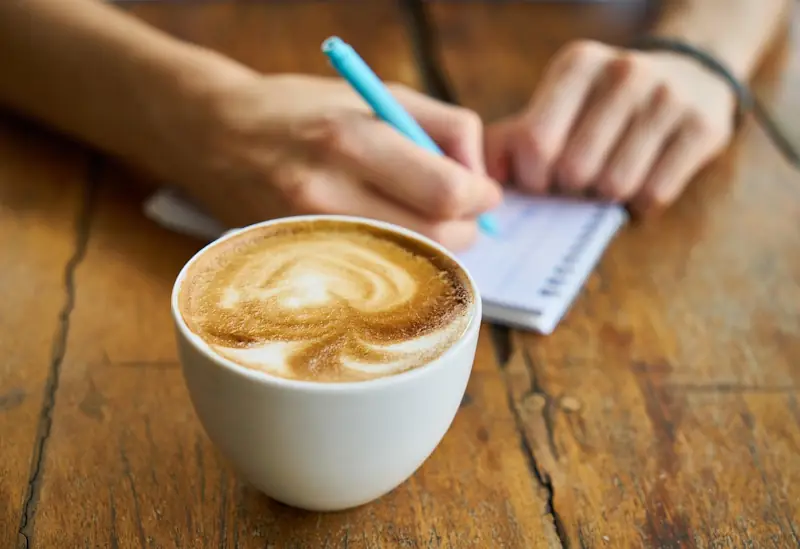
For many of us, tea is a comforting part of daily life. A quick cuppa in the morning, a soothing mid-afternoon break, or a cup to unwind in the evening, these little moments can quietly add up over weeks and months.
Checking prices online, looking out for supermarket offers, or exploring smaller packs of your favourite blends can help you enjoy tea and keep your spending under control.
Even swapping a café visit for a home-made version a couple of times a week makes a noticeable difference, and Savzz highlights where to find these opportunities with current food and drink offers.
Why Daily Tea Costs Add Up Over Time
By paying attention to what we buy, where we buy it, and how often we restock, it’s possible to enjoy tea while keeping costs in check. Small tweaks have a lasting effect, especially when everyday items are bought from retailers offering ongoing deals online.
Key Takeaways
- Even small tea purchases add up more than you might expect.
- Buying smarter can reduce the cost per cup, for example, choosing larger packs of frequently used teas.
- Simple habit adjustments, like brewing at home a few extra times a week, lead to steady savings.
Understanding Your Current Tea Spend
Before making changes, it helps to know exactly where your money goes. Many underestimate how much they spend on tea-related items, including snacks, café visits, and small top-ups.
Track Your Tea Purchases
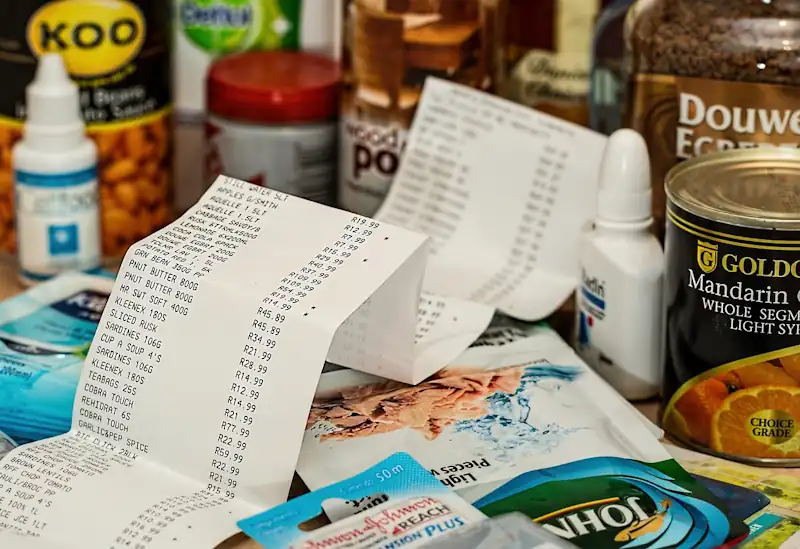
Review the last few weeks using receipts, bank statements, or card payments. Include everything linked to tea, from supermarket buys to café stops and extras. Seeing it laid out clearly can be eye-opening:
| Date | Item | Cost | Type |
|---|---|---|---|
| 01/11/2025 | Tea bags (supermarket) | £3.50 | Groceries |
| 04/11/2025 | Café tea | £2.80 | Out and about |
| 07/11/2025 | Loose leaf tea | £6.50 | Extra |
Spotting Optional Purchases
Separate regular buys from occasional extras. Everyday tea for home use is usually essential, while specialty drinks or café visits can be limited. Checking grocery offers helps keep costs lower over time.
Shopping Smarter for Tea
Small changes in how and where you shop can noticeably reduce spend.
Look Out for Better Prices
Supermarkets rotate offers on tea bags and loose leaf teas. Watching these cycles lets you pick up favourites at lower prices. Online retailers are also useful, browsing beverage deals is a quick way to find tea, coffee, and everyday drinks at reduced rates. Even a 20–30p difference per pack adds up over a month.
Reward Schemes and Discounts
Stores often give points or small rewards for repeat purchases. Each saving may seem minor but builds over time. Before ordering, check for discount codes or free delivery, especially when buying larger quantities. Savzz often features these opportunities.
Lower-Cost Alternatives for Everyday Tea
Small changes in preparation and storage can reduce costs.
Make Tea at Home More Often
Preparing tea at home usually costs less than buying out. Loose leaf tea often works out better value per cup. Many options are available via hot drink offers. Brewing an extra cup at home before leaving for work can save a few pounds a week.
Use a Reusable Cup When Out
Making tea at home and using a reusable cup reduces café purchases, which adds up over time.
Buy Larger Packs When It Makes Sense
Bigger packs lower cost per cup, especially for teas you drink regularly. Planning ahead prevents last-minute purchases at higher prices.
Cutting Back on Extra Costs
Tea itself isn’t always the main expense, it’s the extras.
Reduce Added Treats
Biscuits, cakes, and pastries bought alongside tea raise spending. Making simple snacks at home or skipping extras helps:
- Home baking usually costs less per portion.
- Fewer impulse snacks lead to steadier spending.
Be Mindful When Boiling Water
Small tweaks help:
- Boil only the water you need.
- Use a kettle size that matches your cup.
- Reboil less by timing your brewing.
Planning Ahead to Keep Costs Steady
Thinking ahead avoids sudden spending spikes.
Avoid Relying on Credit for Small Buys
Paying directly from your account keeps spending visible and easier to track.
Set a Simple Monthly Limit
A rough monthly figure for tea and hot drinks gives helpful guidance without feeling restrictive. Even rounding to the nearest £5–10 can make a difference.
Daily Habits That Make a Difference
How you approach everyday spending strongly affects long-term costs.
Be More Aware of Small Purchases
Tea bought on the go is easy to overlook. Tracking purchases often leads to more thoughtful choices, even noting when you skip a café cup can be motivating.
Choose Teas You Actually Finish
Buying only what you’ll drink avoids half-open packs sitting unused. This keeps your routine efficient and enjoyable.
Frequently Asked Questions
What is the easiest way to spend less on tea?
Making more tea at home and reducing café visits has the most noticeable impact.
Is loose leaf tea cheaper than tea bags?
It often works out cheaper per cup, especially when purchased in larger amounts.
Can buying in bulk help?
Yes, for teas you drink regularly. Bulk buys lower the cost per serving and reduce repeat trips.
How can I cut back without missing out?
Focus on fewer cups you enjoy most and skip automatic refills.
Are supermarket own brands worth trying?
Many offer good quality at lower cost. A few small swaps add up across a month.