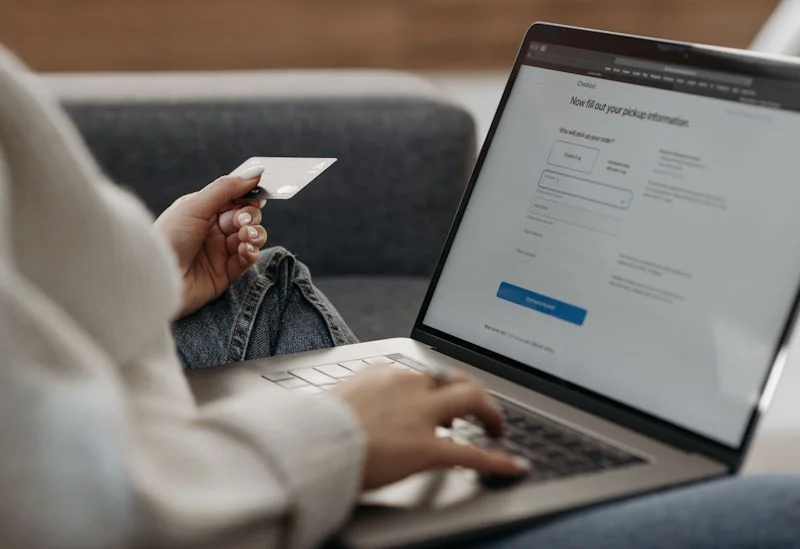
You know the one. The delivery that arrives and you have no immediate memory of ordering it. The email confirmation for something that looked completely essential at midnight that feels considerably less essential in the morning. The pile of parcels in the corner of the room that contains three things you use regularly and six things you were absolutely certain you needed at the point of clicking buy.
At Savzz we look at the spending that happens in automatic mode. Impulse buying is the clearest version of this, not irrational exactly, but driven by triggers that have nothing much to do with genuine want and quite a lot to do with the environment you are in when your phone is in your hand.
Most people have a rough sense that they spend too much on things they regret. Very few have ever sat down to calculate what that actually costs per year, or, more usefully, looked at the difference between the impulse spending they regret and the impulse spending they are actually fine with. The regret score in this calculator makes that distinction visible for the first time.

Who Is This Calculator For?
This is useful for anyone who makes regular unplanned purchases and has never calculated what they cost across a full year. It is particularly relevant if you are:
- Someone who regularly receives deliveries they have partially forgotten ordering, the volume of low consideration online purchasing is high enough that it is not unusual to open a parcel with genuine uncertainty about when or why it was bought
- Anyone who uses BNPL for regular purchases and has never added up what Klarna, Clearpay, or similar services have enabled them to buy across a year, the payment spreading makes the individual amounts feel small while the annual total tends to be notable
- People who buy a lot through TikTok Shop, Instagram, or similar platforms where the purchase path from watching a video to completing a transaction takes under thirty seconds by design
- Anyone who shops more when bored, stressed, tired, or emotional and wants to understand which of those patterns is costing the most and which specific categories it is hitting
- Late night shoppers who notice a pattern of morning regret about things bought the night before and want to see what that habit costs across a year
- Someone who wants to cut spending but is not sure where the waste actually is, not total impulse spending, but the specific categories they consistently regret versus the ones that feel fine in retrospect
Who Is This Calculator Not Suitable For?
- Anyone experiencing compulsive buying disorder. The Impulse Regret Calculator measures the financial and behavioural patterns around everyday impulsive purchasing. It is not a tool for assessing or addressing compulsive buying, which is a clinically recognised condition distinct from ordinary impulse spending. If spending feels out of control in a way that is causing notable distress, speaking to a GP or seeking support through a financial counsellor or the Money and Pensions Service is the appropriate step.
- People wanting a complete household budget breakdown. This calculator is specifically focused on impulse and unplanned purchasing. For a total picture of income and outgoings, a full budgeting tool is more appropriate.
How to Use the Impulse Buy Regret Calculator
Start with the profile panel at the top. Enter your monthly disposable income, this is used to show your impulse spend as a percentage of what you actually have available rather than a raw total. Set your weekly browsing time on shopping apps and your hourly rate, which together produce the time cost of shopping app scrolling as an annual figure. The return rate dropdown covers what proportion of impulse purchases you typically send back, this reduces your net spend and is worth being honest about.
Toggle on each spending category where you make unplanned purchases. When a category is activated, three things become available: the average cost per purchase, how often you buy, and the regret slider. The regret slider is the most important input in the calculator and the one that produces the most useful output. Setting it at zero for a category you enjoy and feel no buyer’s remorse about is correct, that spending stays in your gross total but drops out of the regret weighted figure. Setting it high for categories you consistently wish you had not spent on is equally correct.
Select the trigger type for each category. The trigger analysis shapes which recommendations you receive, boredom driven spending gets a different recommendation to late night stress spending, even if the category and amount are identical.
The behavioural sliders in the next section feed into your regret score. Move them to reflect how you actually behave rather than how you intend to.
Most people have a rough sense of what they spend on impulse buys. Very few have calculated what it costs per year: or looked honestly at how much of it they regret afterwards. This calculator adds up your impulse spending by category, weights it by how much you actually regret each type of purchase, and shows you the number you should be focused on: not what you spend, but what you wish you had not.
Your Spending Profile
Your Impulse Purchase Categories
Toggle on each category where you make impulse purchases. Set how much you spend, how often, and how much you typically regret it.
Your Impulse Spending Tendencies
These sliders feed into your regret score and the behavioural multiplier. Move them to reflect how you actually behave, not how you intend to.
Credit and BNPL
Impulse purchases paid on credit or BNPL cost more than the price tag suggests once interest is included.
Add categories above to see your breakdown.
£0
before returnsTotal of all impulse purchases across every category
£0
money actually goneWhat stays out of your account after any returns are factored in
£0
high-regret spend onlyThe portion of your spending that you consistently wish you had not made
£0
estimated annual savingWhat a 24-hour wait rule on high-regret purchases would save you per year
£0
per year including credit and time costs0 / 100
based on your habits and triggersAdd categories above to see your impulse regret score.
Add categories above to see your personalised pattern breakdown.
Share it with friends or family who might find it helpful.
How Much Do UK Adults Spend on Impulse Purchases Per Year?
The research figures on UK impulse spending are consistent in direction, the amounts are larger than most people estimate when asked, and the gap between estimated and actual spend is wider for people who use BNPL and social commerce than for those who do not.
A 2023 survey by Finder found that UK adults make an average of five impulse purchases per month, spending around £430 per year on unplanned purchases. Research by Barclaycard put the figure notably higher at around £1,000 per year, with the difference largely attributable to how impulse buying is defined, whether it includes small food and drink purchases alongside the larger discretionary categories. A survey by TSB found that UK consumers spent an average of £83 per month on impulse purchases they later regretted, which scales to nearly £1,000 per year in regret spending alone.
These figures predate the widespread adoption of TikTok Shop in the UK, which launched in 2023 and introduced a genuinely new purchasing pathway where the gap between content and transaction is measured in seconds rather than minutes. Research by Adobe found that social commerce spending increased by 36 percent in the year following TikTok Shop’s UK launch. The practical effect on impulse spending figures has not been fully captured yet in consumer surveys, but the direction is clear.
For younger adults, roughly 18 to 35, the combination of social media commerce, BNPL, and delivery infrastructure that fulfils next day or same day means the barriers to impulse purchasing that previously existed, having to travel to a shop, having to have cash or a card ready, having to wait for delivery, have been largely removed. The spending that follows reflects this.
The Regret Score: Why Total Spend Is the Wrong Number to Focus On
The standard advice about impulse buying focuses on reducing the total amount spent. This misses something important, not all impulse spending is the same, and a blanket approach to reducing it tends to target enjoyable purchases as readily as regrettable ones.
Most people who think about their impulse spending honestly can identify a clear split. There is the spontaneous purchase that turns out to be genuinely good, the book bought on a whim that became a favourite, the kitchen thing that gets used every week, the jumper that has been in the regular rotation for two years. Then there is the purchase made in a particular state, tired, bored, stressed, scrolling at midnight, that arrives at the door and produces a very different feeling.
These two categories behave completely differently. The first represents discretionary spending that happens to be unplanned, reducing it would make life marginally poorer. The second represents spending driven by a state rather than a genuine want, reducing it would make life materially better without sacrificing anything of value. The problem is that most impulse spending analysis lumps them together and produces advice that applies indifferently to both.
The regret score in this calculator attempts to separate them. By asking you to set a regret level per category, it produces a regret weighted cost, the amount you spend on things you consistently wish you had not bought, that is separate from the total. The 24 hour rule saving metric then shows what applying a waiting period specifically to high regret categories would save annually. That is the number worth acting on.
Why Late Night Shopping Costs More Than Any Other Time of Day
There is a well established relationship in consumer research between tiredness and impulse purchasing. The mechanism is straightforward, the prefrontal cortex, which handles impulse inhibition and cost benefit analysis, performs progressively worse as the day goes on and sleep pressure builds. The same person has notably weaker resistance to a compelling buy now prompt at 11pm than at 11am, not because of moral weakness but because of basic neuroscience.
The retail and technology industries are aware of this. Email marketing that promotes limited time offers, flash sales, and “low stock” notifications is disproportionately scheduled for evening delivery. App notifications that drive to purchase are more likely to arrive in the early evening. TikTok’s algorithm, which responds to engagement time, increasingly serves product adjacent content during the late evening hours when users are in a lower stimulation state and more susceptible to novelty.
The practical result is that late night shopping sessions produce a higher rate of regretted purchases than daytime sessions. A survey by Which found that purchases made between 10pm and 2am were twice as likely to be returned as purchases made during the day. Returns are the positive outcome of this pattern, the more common outcome is simply keeping the item and absorbing the cost.
The calculator’s late night behavioural slider and its presence as a trigger type in the category cards are specifically included to surface this pattern. For people who recognise it in their own behaviour, the fix is not willpower at 11pm, it is structural, making the purchase pathway harder before tiredness sets in by moving shopping apps off the home screen or scheduling phone downtime for late evening.
BNPL and the True Cost of Impulse Purchasing on Credit
Buy Now Pay Later services have made impulse purchasing notably more expensive for a notable proportion of UK consumers who use them without paying off within the interest free period. The surface appeal is the spreadability of the cost, a £45 item divided into three payments of £15 feels more manageable than a single £45 transaction. The problem is that this framing increases the total volume of purchasing rather than just spreading the same purchasing over time. Research by the Financial Conduct Authority found that BNPL users spend an average of 8 percent more per transaction than non BNPL users purchasing the same categories.
For people who pay off every BNPL instalment on schedule, the service is functionally interest free short term credit and the cost is limited to the additional spending the instalments enable. For people who miss payments, the late fees and potential credit score impact represent a genuine additional cost on top of the purchase itself.
The issue that goes largely undiscussed is the building up problem. Individual BNPL amounts are small enough to feel manageable. Three BNPL balances from different services, built up across a month of impulse purchasing, can produce a payment schedule that is not manageable, particularly when the purchases themselves were regret driven to begin with. Research by Citizens Advice found that one in eight BNPL users had missed a payment in 2023, with the missed payment rate highest among 18 to 34 year olds.
Amazon, the Subscribe Button, and the Subscriptions You Have Stopped Using
Two specific categories consistently produce the largest gaps between what people think they spend and what they actually spend on impulse purchasing, Amazon purchases and subscriptions started impulsively and never cancelled.
Amazon’s combination of one click purchasing, Prime delivery that removes waiting as a natural friction point, and a recommendation engine designed to keep you looking at products you did not intend to buy is the closest thing in retail to an environment specifically engineered for impulse purchasing. Research by the Office for National Statistics found that regular Amazon Prime users spend an average of 26 percent more on online retail than comparable households without Prime, across all categories including ones Amazon does not specialise in. Whether this is cause or correlation is debated, but the pattern is clear.
Subscriptions started on impulse, an app trial that continued after the free period, a streaming service signed up for one series and never cancelled, a wellness subscription that seemed compelling in January, are the most purely regret generating impulse purchase category because the cost recurs monthly. A £9.99 per month subscription signed up on impulse in January and still active in December costs £120 per year for something that was probably not chosen deliberately. Most people, when asked to list their active subscriptions, cannot. Research by Halifax Bank found that UK adults underestimate their monthly subscription spending by an average of £32 per month.
Five Ways to Spend Less on Impulse Purchases Without Restricting the Ones You Actually Enjoy
- Apply the 24 hour rule only to high regret categories, not everything. A blanket waiting rule on all purchases is unnecessarily restrictive and hard to maintain. A targeted one, applied specifically to the two or three categories where your regret level is consistently high, is easier to stick to and produces most of the saving. Save anything in a high regret category to a wishlist rather than checking out. Return to it after 24 hours without watching any more content about it. Research on this specific approach shows that 60 to 80 percent of items saved this way are not purchased, which tells you how much of the original impulse was the environment rather than genuine want.
- Audit active subscriptions once a quarter. Open your bank statement and highlight every subscription charge. Then open your email and search for subscription confirmation emails that do not correspond to current charges, these are often the ones still running on a card you rarely check. Cancel anything you cannot immediately recall using in the past 30 days. The quarterly timing is important because annual subscriptions are easy to forget between their renewal dates.
- Move shopping apps two steps back from your home screen. The purchase rate from apps on the home screen is notably higher than from apps buried in a folder, because the home screen app represents zero friction between having the impulse and beginning the transaction. Moving shopping apps, Amazon, ASOS, TikTok Shop, any BNPL app, into a folder rather than deleting them preserves access when you want to buy deliberately while removing the automatic pathway that impulse purchasing depends on. This is structural rather than willpower based and requires zero effort once done.
- Check for discount codes before any purchase you have decided to make. The 24 hour filter is for the purchases you have not yet decided on. For anything you have genuinely decided to buy, spending 90 seconds checking for a current discount code before checkout is worth the effort. Our clothing vouchers, skincare deals, gaming discount codes, and health and wellbeing deals pages cover most of the categories where impulse purchasing tends to land.
- Identify the specific state that precedes high regret purchases and replace it rather than resisting it. Boredom spending, stress spending, and late night emotional spending all respond better to replacement than to resistance. The decision to shop is already made by the time you are opening the app, the window to intervene is before the trigger state arrives, not during it. Identifying the two or three recurring situations that precede your regret purchases and having a specific alternative already decided for each of those situations is consistently more effective than trying to apply willpower to a buy now button at 11pm.
Frequently Asked Questions
How much does the average UK adult spend on impulse purchases per year?
Research figures vary depending on how impulse buying is defined, but consistent estimates put UK adult impulse spending at £430 to £1,000 per year when larger categories are included. For people who use TikTok Shop, Instagram shopping, or BNPL regularly, the figure tends to be higher. The calculator above builds a personalised estimate based on your specific categories and purchasing frequency, which is more useful than a national average for most people.
What is regret weighted spending?
Regret weighted spending is the portion of your impulse purchases that you consistently wish you had not made, not your total impulse spend, but the specific categories where buyer’s remorse is a regular experience. The calculator separates your gross impulse total from the regret weighted figure so you can focus on reducing the spending that is actually making you worse off rather than applying blanket restrictions to everything.
How do I stop impulse buying online?
The approaches with the strongest evidence behind them are structural rather than willpower based, applying a 24 hour wait to high regret categories specifically, moving shopping apps off your phone’s home screen, scheduling phone downtime for late evening, and auditing subscriptions quarterly. Trying to resist impulse purchasing with willpower in the moment tends to fail because the moment of maximum temptation is usually also a moment of low resistance, tiredness, boredom, or emotional state. Changing the environment before the trigger arrives is more reliable.
Does BNPL increase impulse spending?
Research from the FCA and consumer credit organisations consistently finds that BNPL users spend more per transaction than non BNPL users making comparable purchases. The instalment framing reduces the perceived cost of individual items, which tends to increase purchase volume rather than simply spreading the same purchases over time. For people who pay off every instalment on schedule, the financial cost is limited to this additional spending. For people who miss payments, late fees and potential credit score impact represent a genuine additional cost.
Why do I buy things online I don’t need?
The most consistent drivers of regret generating impulse purchasing are tiredness and low inhibition in the evening, boredom seeking stimulation, emotional states seeking relief, FOMO triggered by social media content, and frictionless purchase pathways on apps designed specifically to minimise the time between impulse and transaction. None of these is a personal failing, they are predictable responses to specific environmental conditions, most of which have been deliberately engineered by the platforms involved.
What is the best way to track impulse spending?
The most practical approach is reviewing your bank statement monthly and highlighting any purchases that were not planned at the start of the day you made them. Categorising these by type, clothing, food, subscriptions, gadgets, for two or three months produces a reliable picture of where unplanned spending concentrates. The calculator on this page does this calculation for you in a few minutes if you can estimate your typical spend per category.
Who built this calculator?
The Savzz Impulse Buy Regret Calculator was built by the team at Savzz.co.uk, a UK money saving and discount code site. We create free practical tools designed to give honest, data driven answers to time and cost questions. We built it because every other impulse spending tool shows a total without distinguishing between spending you enjoy and spending you regret, which are not the same thing and require completely different responses. The regret weighted cost, the 24 hour rule saving, and the trigger based behavioural analysis are features not available in any other UK impulse spending calculator. It is completely free to use with no sign up required.
Final Thoughts
Impulse spending is not a moral issue, it is an environmental one. The patterns that drive regret purchases, late evening tiredness, boredom, emotional states, frictionless checkout pathways, are predictable and measurable. The calculator is designed to separate the spending you genuinely enjoy from the spending that often makes life worse, and to show the annual cost of that difference clearly. The regret weighted figure and the 24 hour rule saving are the numbers worth acting on, because they target the part of impulse spending that actually matters.