Seeing the world doesn’t have to come with huge travel costs. Over time, we’ve found simple ways to visit amazing destinations while keeping spending manageable, and we’re sharing our favourite tips to help you do the same.
Sometimes the difference is surprisingly small. A quick check for flight discounts before booking can lower the cost of a trip, switching travel dates by a day or two can reveal lower fares, and browsing hotel deals can lead to a better stay for less. Many travellers also keep an eye on new offers before confirming bookings, as limited-time deals appear regularly.
With the right habits and a little planning, trips that once felt out of reach can become far more accessible.
How to Travel on a Budget: Top Tips to Save Money
With some planning and flexibility in travel dates, you can reduce costs by up to 60% on flights and places to stay. Even small adjustments to how you organise a trip can make a noticeable difference to the total spend.
For example, checking travel offers before booking, comparing dates across a week instead of a single day, or browsing new deals a few days before finalising plans can reveal better options. Many regular travellers make this a habit before completing any booking.
Explore more options through our travel deals for beach holidays, city breaks, ski trips, and cruise offers. Knowing the best times and locations to visit means you can get more from each trip while keeping spending under control.
This guide walks through practical ways to make the most of your travels, from choosing destinations that offer good value to enjoying local experiences at lower cost.
Why Cost-Conscious Travel Matters
Focusing on travel that keeps spending manageable allows you to go further and stay longer. It also opens the door to visiting more destinations across the year instead of limiting trips to one large holiday.
Many people assume travel requires large savings, yet careful planning often proves otherwise. By paying attention to flight prices, accommodation deals, and transport options, travellers regularly visit well-known destinations at far lower cost.
Keeping an eye on offers before booking also builds useful habits that carry over into everyday spending.
Estimating Your Daily Travel Costs
A daily budget of around £30–£100 is realistic depending on the destination and travel style. Checking holiday deal sites and browsing holiday discounts can help lower accommodation costs before arrival.
Typical expense breakdown:
- Accommodation: 30–40%
- Transport: 20–25%
- Food: 20–25%
- Activities: 10–15%
- Miscellaneous: 5–10%
Travelling during quieter months can reduce prices by 20–50%, and booking around three to six months ahead often leads to better rates.
Planning an Affordable Trip Without Missing Out
Packing light helps avoid airline baggage fees, and in many cases a single carry-on bag is enough for short trips. Choosing destinations where everyday costs are lower also helps make travel funds go further.
Using public transport instead of taxis is one of the easiest ways to lower daily costs, while walking allows you to experience a destination at a slower pace.
Checking city break discounts and city attraction deals can also reveal offers on popular activities. Many travellers take a moment to browse deals before confirming tickets, as this often leads to noticeable savings.
Staying in hostels, rented apartments, or Airbnb properties with kitchens allows you to prepare simple meals and reduce daily spending. Moving between destinations more slowly also lowers transport costs while giving you more time to enjoy each place.
Saving Money on Flights, Transport, and Booking Deals
Transport is often the largest travel expense, but timing and flexibility can make a major difference. Knowing when to book and where to look helps lower costs without limiting travel choices.
Finding Cheap Flight Deals
Comparison tools such as Skyscanner and Google Flights help travellers compare fares across many airlines and dates. Viewing prices across a full month often highlights the cheapest days to travel.
Budget airlines can work well for short-haul trips, especially when travelling with light luggage. Seasonal promotions and flight promo codes can reduce prices further.
Fare alerts are helpful for popular routes, while early morning or late-night departures are often cheaper than peak travel times.
Saving on Trains, Coaches, and Transfers
Train tickets are usually cheaper when booked early, often around 12 weeks ahead. For longer journeys, split-ticket options can lower fares without changing routes.
Many rail providers offer discounts for students, young travellers, and railcard holders. Coaches are usually the lowest-cost option, and overnight journeys can sometimes replace the need for a hotel night.
For trips that require cars or airport transfers, checking car hire and transfer deals before booking often reveals lower prices.
Why Booking in Advance Works
Airlines, train companies, and accommodation providers release availability in stages, with earlier prices often lower. Waiting until the final weeks can reduce choice and increase prices, especially during busy periods.
Travellers with flexible dates tend to see the widest range of options, particularly when planning outside school holidays.
Cashback, Rewards, and Travel Points
Airline loyalty schemes allow travellers to collect points that can later be used for flights or upgrades. Some also include member-only discounts on selected routes.
Credit cards with travel benefits can provide cashback or points that help lower the cost of future trips. Subscribing to newsletters can also give early access to promotions and limited-time offers.
Off-Peak Travel: How It Helps You Save
Travelling outside busy holiday periods can reduce costs across flights, accommodation, and attractions while making destinations quieter and easier to explore.
How Shoulder Seasons Reduce Costs
Hotel prices often fall by 20–45% during shoulder months between peak and low seasons. Mediterranean destinations in May or September are a good example, offering pleasant weather with lower hotel rates.
Flights also tend to drop in price during these months as airlines compete for fewer travellers. Attractions are easier to access and queues are shorter.
Top Off-Season Destinations
Europe:
- Venice (Nov–Feb)
- Greek Islands (Mar–Apr)
- Scottish Highlands (Oct)
- Provence (Apr–May)
The Caribbean is often cheaper from June to November. Some ski resorts also provide good value during summer months for hiking and sightseeing, see ski holiday deals.
Spotting Last-Minute Deals
Monitoring fares and setting alerts helps identify price drops, which sometimes appear six to eight weeks before departure.
- Check prices midweek
- Compare nearby airports
- Follow airlines, hotels, and cruise companies on social media
- Review package options close to departure, including holiday packages and cruise deals
Finding Affordable Accommodation
Accommodation choices shape both comfort and overall travel costs, so comparing options carefully can lead to meaningful savings.
Booking Budget Hotels and Hostels
Midweek stays and off-season bookings often lead to lower prices. Checking hotel websites directly can sometimes reveal better rates than third-party listings.
Private hostel rooms provide a balance between comfort and lower cost, while browsing hotel discounts can reveal additional offers before booking.
Airbnb and Vacation Rentals
Properties just outside tourist centres are often 30–50% cheaper than central locations. Rentals with kitchens also allow travellers to prepare simple meals during longer stays.
House Sitting and Couchsurfing
House sitting exchanges accommodation for property care, while Couchsurfing offers free stays alongside the chance to meet local hosts. Reviews and communication help build trust with both options.
Hotel Loyalty Programmes
Regular travellers may benefit from loyalty schemes that offer free nights, upgrades, and member rates after repeat bookings.
Travel Insurance and Safety
Affordable travel insurance helps protect against unexpected events that could lead to large expenses.
Eating Well on a Budget
Food can represent a significant travel expense, yet local options often provide excellent meals at lower cost.
Street Food and Markets
Markets and street stalls often provide filling meals for less than restaurants. Busy stalls are usually a good sign of quality and popularity.
Restaurant Deals
Lunch menus and early dining offers are usually cheaper than evening meals. Local listing services and travel apps often highlight dining offers nearby.
Apps for Affordable Meals
- TheFork
- OpenTable
- TooGoodToGo
- Yelp
Cooking Your Own Meals
Accommodation with kitchen access allows travellers to prepare simple meals, which can lower daily spending during longer trips.
Getting Around Without Spending Too Much
Public Transport vs Taxis
Buses, trains, and metro systems are usually cheaper than taxis and often faster during busy periods.
Travel Passes and City Cards
Multi-day passes lower per-trip costs and sometimes include entry to attractions. See city attraction discounts for additional offers.
Walking is free and often the best way to explore historic areas. Bike-share schemes offer low-cost daily travel, while carpool apps help split transport costs.
Managing Money Abroad
No-Fee Cards and Currency
Cards such as Wise, Revolut, and Monzo reduce foreign transaction fees. Avoid airport exchange desks when possible and pay in local currency.
SIM Cards and VPNs
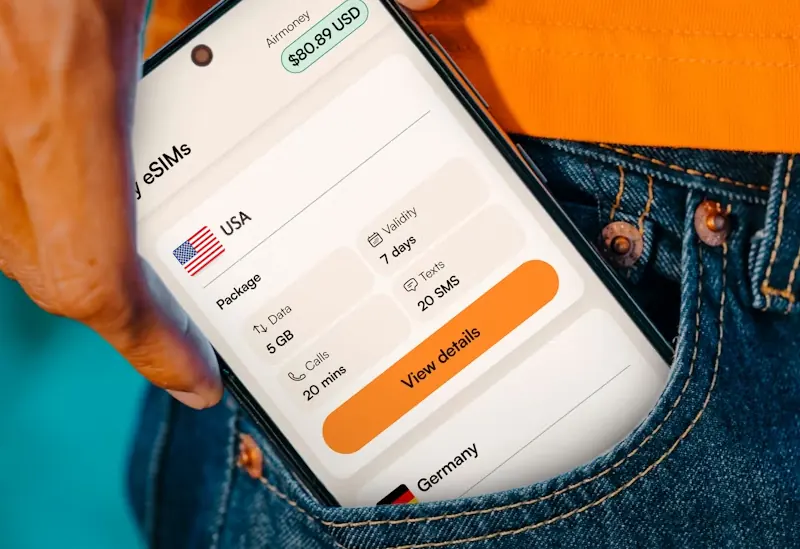
Prepaid SIM cards and VPNs help travellers stay connected while keeping costs manageable.
Final Tips for Budget Travel Success
Good planning, flexible travel dates, and careful booking choices help make travel more affordable while still allowing you to enjoy every destination. Checking for discounts, monitoring prices, and choosing value-focused options can extend trips and make travel plans easier to manage.
Conclusion: Travel More, Spend Less
Travelling on a budget is about making informed choices rather than limiting experiences. With preparation and access to the right deals, travel becomes far more accessible. Explore all travel offers to discover inspiration and savings for your next trip.