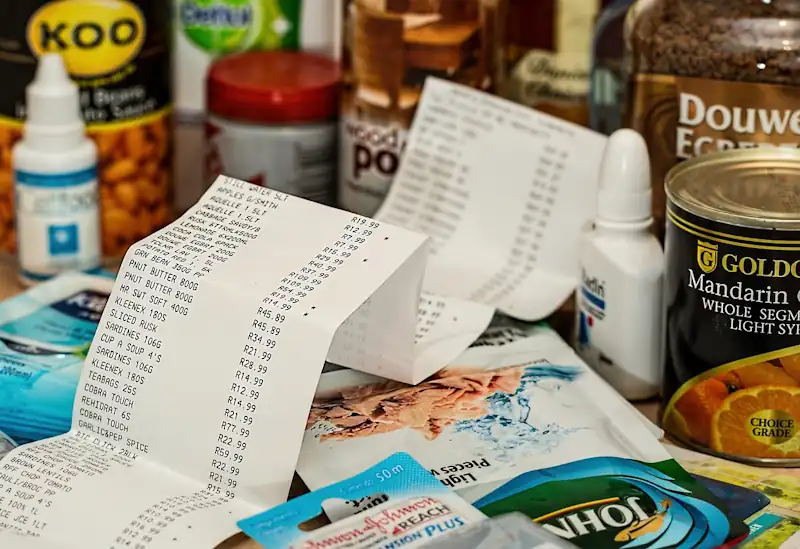
Everyone knows delivery costs more than collecting your own shopping. That is not the question. The question is how much more, and once you factor in fuel, parking, the time spent driving and queuing, and the full fee stack that builds up on a typical delivery order, whether the gap is actually as large as it feels, or sometimes smaller than expected.
For grocery orders from the big UK supermarkets, the answer is almost always that click and collect is cheaper when the store is reasonably close, because the delivery fee is fixed and the fuel cost for a short trip is surprisingly low. For food delivery apps, the maths is more complicated: a delivery fee, a service fee, a small order fee, and an optional tip can stack a basic order’s added costs well past £5 before a single adjustment for time.
And for some people, once they put an honest figure on what their time is worth per hour, delivery starts to make financial sense even with all those fees, because the time saved is genuinely worth more than the fee difference. This calculator works out where you personally land, for your specific order type, distance, fees, and hourly value.

Who Is This Calculator For?
This is for anyone who has a rough sense that one option is probably cheaper but has never sat down to check the actual numbers, particularly if:
- You order groceries regularly from a supermarket and want to know whether delivery slots are worth paying for, or whether driving to collect is cheaper even once fuel is accounted for
- You use food delivery apps often and haven’t fully registered how much the service fee, small order fee, and tip add up alongside the headline delivery charge
- You’re not sure whether your time is worth more than the delivery fee gap, the calculator’s crossover hourly rate tells you exactly at what value of your time delivery becomes the rational financial choice
- You want to see the annual figure, not just the per-order difference, a £2.50 saving per shop sounds small; the same saving across a weekly grocery habit adds up to £130 per year from a habit that takes roughly the same total effort
Who Is This Calculator Not For?
- Anyone comparing delivery subscription costs. Tesco Delivery Saver, Deliveroo Plus, Amazon Prime, and similar monthly subscription services change the per-order delivery cost, if you pay a flat monthly fee for unlimited delivery, the marginal cost per order is much lower than this calculator’s default delivery fee. For subscriptions, the meaningful comparison is total annual delivery spend against total annual collect cost, which requires a different calculation framework.
- Commercial or business purchasing decisions. Bulk orders, business accounts, and trade deliveries operate under different pricing structures than standard consumer retail.
How to Use the Click and Collect vs Delivery Calculator
Start by picking the order type closest to what you’re comparing: grocery shop, food delivery, retail or clothing, or pharmacy. Each one auto-fills sensible UK defaults for the fee structure, typical distance, and times involved, which you can then adjust to match your actual situation.
In the delivery section, enter all the fees that apply: the delivery charge, any service fee as a percentage of your order value, a small order fee if your basket doesn’t hit the free delivery threshold, a tip if you typically add one, and surge pricing if relevant for your platform. The total appears as you type and is often higher than the headline delivery fee alone suggests.
The click and collect section covers fuel cost per mile, wear and tear, parking, and the one-way distance to the store, the calculator automatically doubles it for the return journey. If you usually walk or cycle, set fuel and wear to zero.
The time section is where the comparison often gets most interesting. Enter how long delivery typically involves (waiting at home plus unpacking) versus the drive, queue, and loading time for collecting. Then set your hourly value, what your time is genuinely worth to you. The calculator shows a crossover rate: the point at which delivery becomes the cheaper total option, not just the more convenient one.
Delivery is more convenient. Click and collect is usually cheaper. But once you factor in fuel, parking, your time, and all the fees that stack up on a delivery order, which one actually wins for your specific situation? This calculator works it out: by the order, and across a year.
🛒 What Kind of Order Is This?
Pick the closest type: this fills in sensible starting figures you can adjust below.
🚐 Delivery Costs
Check your usual platform or retailer for the exact fees: they add up faster than the headline price suggests.
Total delivery fees: £3.00
🚗 Click and Collect Costs
Fuel, parking, and wear and tear: the costs that feel free because they come out of a tank rather than a card.
Total click and collect costs: £0.68
⏱️ Time Costs (Both Options)
Set your time value: if it's 0, the comparison is purely financial. The higher it is, the more delivery may start to make sense even with the fees.
Delivery time
Click and collect time
📅 How Often Do You Order Like This?
Turns the per-order difference into an annual number that usually tells a clearer story.
—
Includes fees or fuel, plus the value of your time for each option
Delivery: £0
Collect: £0
Full cost including fees or fuel and time for each option
£0
If you always chose the cheaper option, at your stated frequency
0 min
How much faster or slower one option is vs the other
—
£0
Based on your fees, fuel, parking, and time valueFill in your details above to see where the gap between the two options comes from.
Share it with friends or family who might find it helpful.
What Delivery Actually Costs: The Full Fee Stack
The delivery fee on the booking screen is usually just the starting point. Depending on the platform and order, several other charges can stack on top of it before anything has actually been delivered.
Service fee. Food delivery apps: Deliveroo, Uber Eats, Just Eat, usually add a service fee of around 10 to 20% of the order value. On a £25 order, that is £2.50 to £5.00 on top of the delivery charge. This fee is usually described as going to support the platform, though the exact split varies by company. Supermarket delivery platforms generally don’t charge a percentage-based service fee, which is one reason grocery delivery compares more favourably to app-based food delivery.
Small order fee. Many platforms add a surcharge if the basket doesn’t reach a minimum value, typically around £10 to £15 for food delivery apps, and £25 to £40 for supermarkets. On smaller orders this can add £1 to £2, and it’s easy to forget because it’s often listed separately from the delivery fee.
Tip. Not technically a platform charge, but a regular addition for many people, especially for food delivery. Even a modest £1 to £2 tip is a meaningful addition to a small order’s total.
Surge pricing. Some platforms adjust delivery fees based on demand, busier times cost more. The headline delivery fee at 7pm on a Friday may be noticeably higher than the same order placed at 11am.
None of these are hidden in the sense of being deliberately concealed, they’re all on the checkout screen. But they’re listed separately and in different formats, which makes it easy to only mentally register the delivery fee and miss the service fee, small order fee, and tip until the total is already on the screen.
What Click and Collect Actually Costs
The most common mistake in the delivery versus collect comparison is treating click and collect as free because no money changes hands on the platform. It isn’t free, the costs are just paid differently.
Fuel. The HMRC mileage rate for cars in 2026 is 55p per mile, which covers fuel, wear and tear, and depreciation combined. If you’d rather separate these, the fuel-only cost for a typical petrol or diesel car runs to roughly 12 to 18p per mile at current UK prices, meaning a 2-mile round trip to a supermarket costs around 24 to 36p in fuel alone. A 5-mile round trip pushes this to 60p to 90p. These are small numbers individually, but they become real at weekly frequency.
Wear and tear. Every mile driven carries a small ongoing cost in tyre wear, servicing intervals, and general vehicle maintenance. This is typically estimated at 3 to 5p per mile beyond the fuel cost, modest, but worth including for an honest comparison.
Parking. For many supermarkets and retail parks, parking is free with a purchase or validation, in which case this cost is zero. For city-centre collections or town-centre stores without dedicated parking, a 30-minute charge of £1 to £3 is common and can shift the comparison notably, particularly when delivery fees are already low.
Time. This is the largest variable in the comparison for most people. A round trip to a nearby supermarket: including drive, queue, loading, and return, often takes 20 to 40 minutes. At £15 per hour, 30 minutes is worth £7.50. At the UK living wage rate of roughly £11 to £12 per hour, 30 minutes is worth £5.50 to £6. Whether this time cost makes delivery financially rational depends on what the delivery fees total, and this calculation is precisely what the time-value section of the calculator is designed to answer.
At What Hourly Rate Does Delivery Start to Make Sense?
This is the question nobody else’s delivery versus collect comparison answers, and it is the most genuinely useful output this calculator produces.
Here is how it works. If delivery costs £3 more than click and collect on fees and fuel alone, but delivery is 30 minutes faster, then delivery “breaks even” at an hourly rate of £6, because 30 minutes at £6/hour = £3, which exactly offsets the extra fee. Anyone who values their time above £6/hour is paying less overall by choosing delivery.
If delivery costs £5 more but only saves 20 minutes, the break-even hourly rate is £15, because 20 minutes at £15/hour = £5. Anyone earning above £15 per hour in their day job is arguably making a rational economic choice by paying the delivery premium and using the time saved for something else.
In practice, the calculator shows this crossover point directly, updated as you adjust any of the inputs. For most grocery supermarket comparisons, the crossover sits somewhere between £8 and £20 per hour, meaning delivery is rational for people on reasonable salaries but inefficient for those with limited working time or lower hourly incomes. For food delivery apps, where the fee stack is higher and the time saving over cooking is different, the comparison shifts considerably.
The point is not that delivery is expensive and should be avoided. It is that the decision is genuinely person-specific, and knowing your crossover rate lets you make it consciously rather than by default.
How the Order Type Changes the Maths
The comparison looks very different depending on what you’re ordering.
Grocery shops are usually the most favourable comparison for click and collect. Delivery slots from Tesco, Sainsbury’s, and Asda typically cost £1 to £5. Fuel for a 2-mile round trip costs under 50p. The gap is real but the delivery fee is relatively contained, mostly for larger basket sizes where the per-item fee cost becomes a smaller proportion of the total. For people with a supermarket within a couple of miles and free parking, clicking to collect and driving to pick up the bags is almost always the cheaper option in pure money terms.
Food delivery apps are the category where fees compound most aggressively. A typical Deliveroo or Uber Eats order starts with a delivery fee, then adds a service fee of 10 to 15%, then possibly a small order fee if the basket is under the threshold. A £20 order can realistically carry £5 to £8 in combined fees before any tip.
Against this, the alternative is either cooking from scratch (a different comparison entirely) or walking or driving to the restaurant, and for a genuinely close restaurant, walking collections via the app’s own collection option removes the delivery fee and service fee entirely. For restaurants further away, the time saving from delivery is larger and the case for paying the fees strengthens.
Retail and clothing orders sit somewhere in the middle. Standard delivery fees from major UK retailers run from £2.99 to £5.99, often waived for orders above a threshold (typically £30 to £50). For anyone buying a single item below the free delivery threshold, clicking to collect from a nearby store is almost always cheaper. For larger orders where delivery is free, the comparison shifts to pure time, whether the trip to the store is worth making, given that the delivery cost itself has been removed.
The Annual Saving: Why the Per-Order Gap Matters More Than It Looks
A saving of £2 per order is easy to dismiss as not worth thinking about. Multiplied by 52 orders per year, a once-weekly grocery shop, it becomes £104, which sits in a different mental category entirely.
For people with a twice-weekly grocery delivery habit, the same £2 saving becomes £208. For heavier food app users: say, three to four deliveries a week, the annual difference between delivery and a mix of delivery and in-person collection can reach £300 to £500.
None of this requires a dramatic lifestyle change. It mostly involves choosing the collect option for routine, predictable orders where time isn’t genuinely a constraint, and reserving delivery for the occasions when it is. The calculator’s frequency slider makes the annual equivalent visible for your specific order pattern, which tends to shift how the per-order saving registers.
Five Ways to Get a Better Deal Whichever Option You Choose
- Check whether a delivery subscription changes the comparison before paying per order. Tesco Delivery Saver runs at roughly £7.99 to £9.99 per month for unlimited delivery slots, depending on the tier. If you order groceries twice a week at an average slot cost of £2.50, you’re paying roughly £20 per month on individual slots, far more than a subscription. The break-even for Tesco Delivery Saver is around three to four orders per month. For anyone ordering more frequently than that, a subscription almost always makes delivery cheaper than collecting, and the calculation changes entirely. Our grocery deals page lists current discount codes from all major UK supermarkets.
- Use the collect option on delivery apps when you’re passing anyway. Most food delivery apps offer a “collect” or “pickup” option that removes the delivery fee and service fee entirely, typically saving £3 to £7 per order. If a restaurant or takeaway is on your route home or close to somewhere you’re going, using the app’s collect function rather than delivery costs nothing in planning and removes the most expensive part of the fee stack. The food is usually ready faster too.
- Hit the free delivery threshold before ordering if you’re close. Adding a predictable item you’d buy anyway, a staple grocery, a household essential, to nudge a basket over the free delivery threshold is almost always worth doing if you’re a pound or two short. The alternative (paying the small order fee or the full delivery fee on a basket you’ll need to top up anyway) costs more than the marginal item.
- Pick click and collect slots at supermarkets for early-morning or late-evening pick-up. Both of these tend to have shorter queues and faster loading times than the typical after-work rush hour, which reduces the time cost of collecting considerably. The time comparison in the calculator assumes a queue time of ten minutes at default, in practice, an off-peak collection is often closer to three to five minutes, which shifts the time-cost calculation in favour of collecting by a noticeably larger margin.
- Check for delivery discount codes before booking a slot. Several UK supermarkets and delivery platforms run promotional codes for first-time or returning delivery customers: free delivery slots, reduced fees, or cashback. Our grocery deals page covers these across the major UK supermarkets, and checking it before committing to a paid delivery slot takes under a minute.
Frequently Asked Questions
Is click and collect always cheaper than home delivery?
In most cases, yes, click and collect at a nearby store costs less per order than delivery, once all delivery fees are included. The exception is when delivery is either free (you’ve hit a threshold or have a subscription) or when the trip to collect involves real fuel costs, paid parking, or a large time investment that, valued at your hourly rate, exceeds the delivery fee gap. The calculator shows you which way it falls for your specific combination of inputs.
What is a service fee on delivery apps, and is it avoidable?
A service fee on food delivery apps is typically a percentage of the order value, usually 10 to 20% depending on the platform and your location, added to the checkout alongside the delivery charge. On Deliveroo and Uber Eats it is listed separately and varies by order.
It is generally not avoidable on delivery orders through these platforms. The most simple way to avoid it entirely is to use the app’s collection option, or to order directly from a restaurant’s own website if it offers one, which sometimes carries lower or no platform fees.
How much does fuel cost per mile in the UK in 2025?
At current UK fuel prices, the fuel-only cost of driving a typical petrol or diesel car is roughly 12 to 18p per mile, depending on the car’s efficiency and local pump prices. The HMRC Advisory Rate for mileage, which includes an allowance for fuel, servicing, and wear and tear, is 55p per mile for a car in 2026.
For a rough comparison this calculator uses 14p per mile as the fuel-only default and 3p per mile for wear and tear, giving a combined rate of 17p, conservative and closer to the actual cash cost than the full HMRC rate.
Does click and collect save money on weekly food shops?
Yes, for most UK shoppers with a supermarket within three to four miles and free parking. The average saving per grocery shop, click and collect versus a paid delivery slot, runs from £1 to £5 depending on which slot tier would have been chosen and the distance involved.
At once-weekly frequency, that translates to roughly £50 to £260 per year. For larger households with bigger basket sizes, where the delivery fee is a smaller percentage of the order total, the relative saving is smaller, but the absolute saving per order is roughly the same.
When does delivery make more financial sense than click and collect?
Delivery wins on the total cost comparison (including time value) when the time saved by not going to collect is worth more than the fee gap, that is, when your crossover hourly rate is lower than your actual time value.
This tends to happen when the store is far away, parking is paid, delivery fees are low or free via a subscription, and queues at the collection point are typically long. It also applies in practical situations where time is simply unavailable rather than just inconvenient.
Who built this calculator?
The Savzz Click and Collect vs Delivery Calculator was built by the team at Savzz.co.uk, a UK money-saving and discount code site. We built it because “delivery costs more than collecting” is universally known but rarely actually calculated, the crossover hourly rate, the full fee stack, and the annual equivalent of a per-order saving are all details that change how people think about the decision once they’re visible. It is completely free to use with no sign up needed.