Most smart home coverage talks about features: voice commands, app integrations, scenes and routines. This calculator talks about money. You add what you already own and it shows what each device is genuinely saving per year. You add devices you’re considering and it shows whether they’re worth buying and, crucially, how long before they pay for themselves. Payback period is the number that most buying decisions should turn on, and it’s the one that almost no product review actually gives you.
Who Is This Calculator For?
- Homeowners with a smart thermostat already installed who have never worked out what it’s actually saving compared to a standard thermostat, and want to see that figure against their real heating bill
- Anyone looking to reduce energy bills without switching suppliers or changing their heating system, smart home devices are one of the few areas where a one-off purchase produces ongoing annual savings
- Anyone considering a smart thermostat, smart plugs, or smart bulbs who wants a realistic payback period before buying rather than relying on manufacturer claims
- EV drivers considering a smart home charger who want to see the off-peak charging saving in the context of the charger’s purchase price
- People with solar panels considering a smart diverter to use surplus generation rather than exporting it at low rates
- Anyone trying to reduce their household carbon footprint who wants to see the CO2 saving alongside the financial one, since for smart home technology the two usually point in exactly the same direction
Who Is This Calculator Not Suitable For?
- Landlords calculating savings across a portfolio. This calculator is built for single-household use. The savings logic is based on residential household profiles rather than commercial or multi-property setups.
- Anyone expecting a manufacturer-level audit of their home’s energy efficiency. The figures are based on Energy Saving Trust research and BEIS data for typical UK household profiles. An actual home energy assessment from a qualified assessor will give more precise figures for your specific property.
How to Use the Smart Home Savings Calculator
Start by filling in your household profile at the top: home type, number of people, heating type, and your energy tariff rates. The calculator defaults to the current Ofgem price cap rates for electricity and gas, which are a reasonable starting point if you don’t know your specific tariff. If you’re on a fixed deal that sits higher or lower than the cap, update the figures to match your actual rate, since this affects every saving calculation significantly.
Your annual heating bill is the most important input for thermostat savings. Enter your actual bill from the last twelve months if you have it, or a rough estimate if not. The UK average is around £900 for a typical semi-detached house with gas heating, but this varies a lot by home size and household habits.
The devices section splits into two parts. The first covers smart home devices you already own, tick what you have and the calculator works out what each one is currently saving you. The second covers devices you’re considering, tick those and the calculator adds the annual saving and works out how many months or years each device takes to pay back its purchase price.
See how much your smart home devices are saving you, or could save you. Add what you already own to see your current annual savings, or add devices you are considering to see whether they are worth buying and how quickly they pay back.
Your Home
Devices I Already Own
Tick what you have. The calculator works out what each one is saving you annually based on your household profile.
Devices I Am Considering Buying
Add devices you are thinking about buying. The calculator shows the annual saving and payback period for each one.
How Much Can Smart Home Technology Really Save You in the UK?
The honest answer is: it depends heavily on which devices you use and how well you use them. A smart thermostat set up with geofencing and optimised scheduling saves much more than one used as a slightly more convenient manual thermostat. Smart plugs on automatic schedules save more than ones switched on and off by hand like regular plugs.
With that said, the figures from independent research are consistent and meaningful.
The Energy Saving Trust estimates that a smart thermostat with well-configured scheduling can reduce heating bills by 10 to 15%. On a typical UK gas bill of £900, that’s £90 to £135 per year. For larger homes or households with above-average heating bills, the saving is proportionally larger. The Which? Real World Test of smart thermostats found actual savings of 8 to 16% across different household types, which aligns closely with the EST figures.
Smart plugs eliminating standby consumption are a smaller but very real saving. The Energy Saving Trust estimates the average UK household spends around £55 per year powering devices on standby. A set of smart plugs with schedules: covering the TV, games console, desktop computer, and similar devices that draw power even when not in active use, can eliminate most of this. A full set of four to six smart plugs costs around £40 to £60 and pays back in under a year for most households.
Smart LED bulbs save less than most people expect if you’re already using standard LEDs, because modern LEDs are already very efficient. The real saving from smart bulbs comes from the automation, lights that turn off automatically when you leave a room or after a set time save more than lights you’d switch off at the same rate manually. For households that regularly leave lights on in empty rooms, smart bulbs with presence detection or scheduling can save £30 to £60 per year.
For EV drivers, the saving from a smart home charger that schedules charging during off-peak hours is often the largest single smart home saving available. The difference between the cheapest and most expensive electricity tariff rates in the UK can be 15p to 20p per kWh. For an average EV driver covering 7,000 miles per year, shifting all charging to off-peak rates saves roughly £150 to £200 per year compared to unmanaged charging at standard rates.
Smart Thermostats: Are They Worth It for UK Homes?
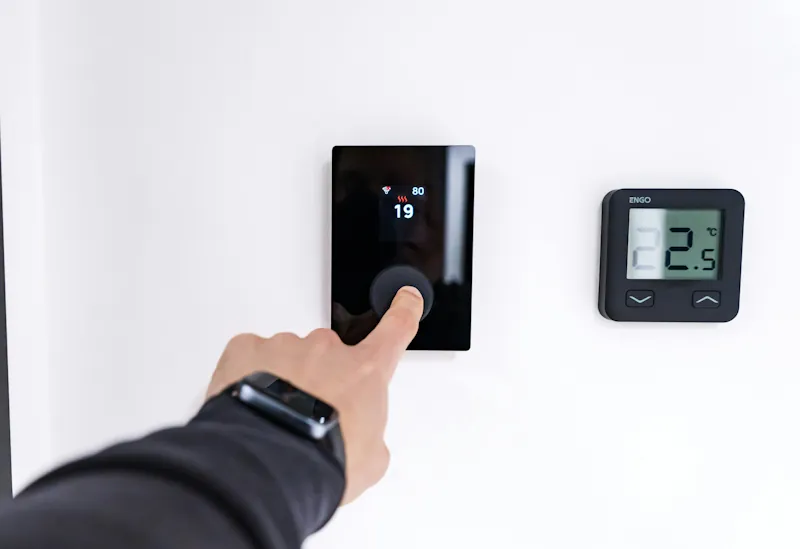
A smart thermostat is, for most UK households with gas central heating, the single highest-return smart home investment available. The combination of scheduling, geofencing, and weather compensation that the leading devices offer produces genuine savings that a standard manual thermostat simply cannot match.
The three most popular smart thermostats in the UK are Hive, tado, and Nest. Each takes a different approach.
Hive is the most widely adopted in the UK, partly because of its British Gas heritage and partly because it’s sold and installed through a large retail and trade network. It uses a simple scheduling approach and integrates well with other Hive products. It doesn’t offer geofencing in quite the same granular way as tado, but its scheduling is reliable and the app is accessible.
tado uses geofencing as its core feature, the heating automatically adjusts based on whether household members are home or away, rather than relying purely on time schedules. For households with variable routines, this tends to be more effective than a fixed schedule. It also offers weather adaptation that adjusts the heating ramp-up time based on external temperature.
Nest (now Google Home) learns your schedule over time rather than requiring manual programming, and integrates tightly with other Google smart home products. Its learning algorithm is well regarded, though the ecosystem integration means it works best for households already using Google products.
All three produce genuine savings when configured properly. The difference in annual saving between them is generally smaller than the difference between a well-configured smart thermostat of any type and a poorly configured one. Setup and ongoing optimisation matter more than brand choice.
One thing worth knowing: smart thermostats don’t reduce your heating bills through any kind of magic. They save money primarily by reducing the periods when heating runs when it doesn’t need to. If your current setup is already well-optimised manually: off when you leave, on when you return, set to a reasonable temperature, the saving from a smart thermostat will sit at the lower end of the range. If your current setup involves leaving the heating on a high fixed temperature whether or not you’re home, the saving will be substantial.
Smart Plugs: The Most Overlooked Energy Saving Device
Smart plugs are the smart home product with the fastest payback period and the lowest barrier to entry, and they’re often the most underrated in terms of actual saving produced.
The mechanism is straightforward. Most UK homes have a large number of devices drawing electricity in standby mode rather than being properly switched off. A games console on standby uses around 10 to 15 watts continuously. A set-top box uses a similar amount. A desktop PC in sleep mode, a printer that never gets switched off, a router that could be scheduled off overnight, a phone charger staying plugged in, these small individual draws add up to a real annual cost.
The Energy Saving Trust puts the UK average standby cost at around £55 per year. For households with more devices, or larger homes, the figure is higher. Smart plugs on schedules eliminate this without any manual effort, the plug cuts power at midnight, restores it at 7am, and the device never draws standby power during the night regardless of whether anyone remembers to switch it off.
At around £8 to £15 per smart plug, even a single device saving £10 to £15 per year pays back within the first twelve months. A set of six plugs covering the main standby drains in a household typically pays back in six to twelve months.
The other valuable use case is appliance scheduling to take advantage of off-peak electricity rates. For households on an Economy 7 or Agile Octopus tariff, scheduling high-draw appliances to run during cheap-rate hours can produce a saving that greatly exceeds the standby saving. Smart plugs compatible with Alexa, Google Home, or Apple HomeKit can be incorporated into whole-home automation routines that make this automatic.
Do Smart Home Devices Actually Pay for Themselves?
This is the right question to ask, and the honest answer is: most of the well-established devices do, within a reasonable timeframe, but some of the more expensive or novelty products take much longer.
The devices with the clearest, fastest payback for UK households are:
Smart plugs, typically six to twelve months payback on a full set, with ongoing annual saving thereafter.
Smart thermostats, typically twelve to twenty-four months payback depending on the device cost, your heating bill, and how well it’s configured. The saving continues for the lifespan of the device, which is typically eight to twelve years.
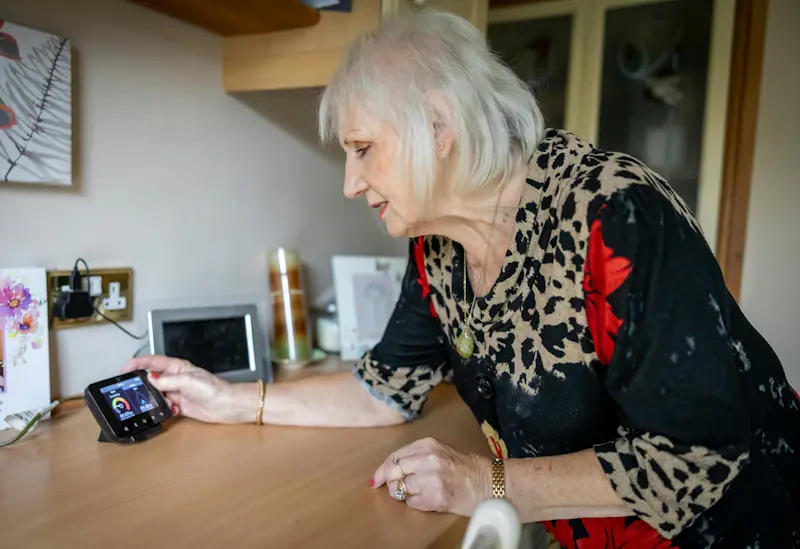
Smart energy monitors, very low cost (around £30) with a saving driven by the behavioural change that comes from seeing your consumption in real time. Research suggests households with energy monitors use 5 to 8% less electricity. On a typical electricity bill of £600, that’s £30 to £48 per year, a payback of under twelve months.
Smart EV chargers, higher upfront cost (£600 to £900 with installation) but the off-peak saving for drivers who charge regularly is £150 to £200 per year, giving a payback of three to five years excluding any government grant.
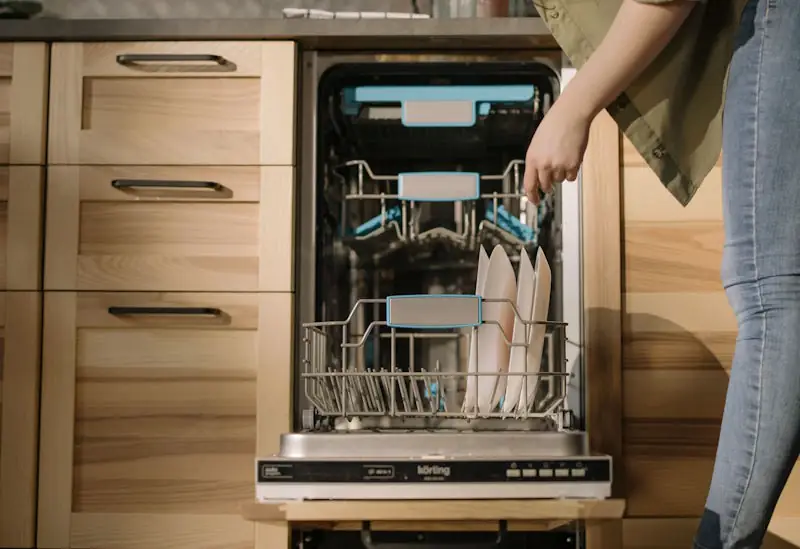
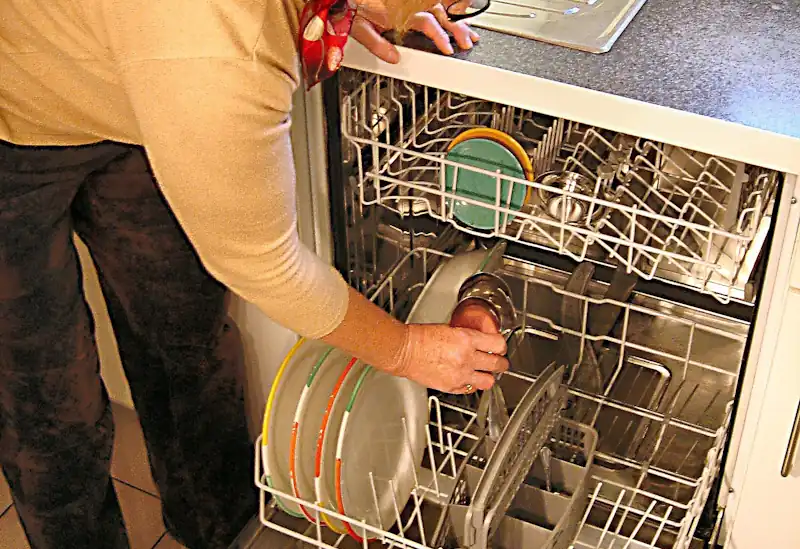
The devices that are slower to pay back, or where the saving case is less straightforward, are smart white goods: washing machines, dishwashers, and tumble dryers with smart scheduling. These save money primarily by shifting consumption to off-peak hours, which only has value if you’re on an off-peak tariff. For households on a flat-rate tariff the saving is minimal, and the payback on a £400 to £600 smart-appliance premium over a standard equivalent is very long.
Smart Home Technology and Your Carbon Footprint
Smart home energy savings produce carbon savings as a direct consequence, since most energy in UK homes comes from sources with an associated carbon cost. The UK electricity grid has been decarbonising steadily, the average carbon intensity in 2024 was around 150 to 200 gCO2 per kWh, far lower than a decade ago, but energy saved still means carbon not emitted.
A household saving 500 kWh of electricity per year through smart home technology avoids roughly 75 to 100 kg of CO2 emissions. That’s equivalent to around 300 miles of driving a petrol car. For households with gas heating, the saving from a smart thermostat carries its own carbon reduction on top.
The calculator shows a CO2 saving alongside the financial saving. For households where environmental impact is a factor in purchasing decisions, this provides a useful secondary number alongside the payback period.
Getting the Most From Smart Home Devices You Already Own
One of the most common findings from energy research is that the majority of potential savings from smart home technology aren’t captured because devices aren’t configured properly. People buy a smart thermostat, set a rough schedule, and never revisit the settings. They buy smart plugs and leave them on manual mode. They install smart bulbs without setting up the automation routines that produce the actual saving.
The actions that make the most difference are:
Enable geofencing on your smart thermostat. If your thermostat supports geofencing, detecting when household members are home or away based on phone location, enable it and configure it properly. This single change typically adds 3 to 5% to your thermostat saving compared to a fixed schedule, because it accounts for days when you leave early, arrive late, or work from home unexpectedly.
Set schedules on your smart plugs rather than using them manually. A smart plug switched on and off by hand saves very little over a standard plug. One set to cut power automatically at midnight and restore it at 7am eliminates standby draw every single night without any ongoing effort.
Review your thermostat temperature settings seasonally. Most people set their smart thermostat in October and don’t revisit the settings until the following October. Reviewing target temperatures in January, when outdoor temperatures are at their lowest, and again in March as they rise, typically finds opportunities to reduce the target by half a degree or more, which saves around 5% of heating cost per degree reduction.
Use your energy monitor actively, not passively. A smart energy monitor sitting on a shelf producing data nobody looks at saves nothing. Checking it once a week, particularly after any change to your appliance usage or heating settings, reinforces the behavioural changes that produce the 5 to 8% consumption reduction research associates with active monitor use.
Five Smart Home Purchases Worth Making This Year
- Smart thermostat if you don’t already have one. This is the recommendation that applies to more UK households than any other. If you have gas central heating and a standard programmer-style thermostat, replacing it with a Hive, tado, or Nest pays back within one to two years and saves money every year after. Our home appliance deals page is worth checking before purchasing, as discount codes for smart thermostats appear periodically.
- A set of smart plugs for your main standby devices. The TV, games console, desktop computer, printer, and broadband router together typically represent £20 to £35 of annual standby waste. A set of four smart plugs from a reputable UK brand: TP-Link Tapo, Amazon Smart Plug, or similar, costs around £30 to £50 for the set and pays back within the first year. Check our home accessories deals page for current codes.
- Smart TRV valves if you already have a smart thermostat. Room-by-room temperature control is the logical next step once a smart thermostat is in place. Keeping spare bedrooms, home offices, and other rooms not in constant use at a lower temperature than living areas can add 5 to 10% to your heating saving on top of the thermostat’s contribution.
- A smart energy monitor to make your consumption visible. At around £30 for a whole-home monitor that shows real-time electricity use, this is one of the lowest-cost investments available with a consistent evidence base. The Hildebrand Glow, Loop, and similar devices work with smart meters to give detailed consumption data. The saving comes from changed behaviour, which requires actually using the app rather than installing the device and forgetting about it.
- Smart outdoor lighting with motion sensors. Motion-triggered outdoor LED lighting uses a fraction of the electricity of lights left on a timer or permanently on, and provides better security since it responds to actual movement rather than just switching on at dusk regardless. Check our garden and outdoor deals and tech deals and offers pages for current offers on smart outdoor lighting.
Frequently Asked Questions
How much can a smart thermostat save per year in the UK?
Research from the Energy Saving Trust and independent testing by Which? regularly puts the saving at 10 to 15% on a typical UK heating bill when geofencing and scheduling are properly configured. On a gas heating bill of £900, that’s £90 to £135 per year. The saving is higher for larger homes with bigger heating bills and for households where the previous setup was poorly optimised. The calculator above gives you a figure based on your actual heating bill and household type.
How long does a smart thermostat take to pay for itself?
Most smart thermostats in the UK cost £100 to £200 including installation, or £50 to £120 for a self-install. At an annual saving of £90 to £135, the payback period is typically twelve to twenty-four months. After that the device saves money every year for its remaining lifespan of eight to twelve years, making the long-term return on investment very strong for most UK households with gas central heating.
Are smart plugs worth buying?
Yes, for most UK households. The average standby cost for a UK household is around £55 per year. Smart plugs on schedules eliminate most of this for the devices they cover. Individual smart plugs cost £8 to £15 each. At that price a single plug covering a device drawing £10 of standby power per year pays back within the first twelve months. A set covering four to six devices typically pays back in six to twelve months.
What is the most energy-efficient smart home device?
In terms of the ratio of annual saving to purchase cost, which device gives you the most money back per pound spent, smart plugs and smart energy monitors top the list. Smart thermostats produce the largest absolute annual saving but their higher purchase cost means a longer payback. For EV drivers, a smart charger enabling off-peak charging often produces the single largest absolute saving of any smart home device.
Do smart home devices actually reduce energy bills?
Yes, when configured properly. The key word is “configured.” A smart thermostat used as a basic manual thermostat saves little. One with geofencing enabled and a well-set schedule saves 10 to 15% on heating. Smart plugs used manually save nothing over standard plugs. Smart plugs on automatic schedules eliminate standby draw without any ongoing effort. The saving comes from the automation, not just from buying the device.
How do smart home devices affect my carbon footprint?
Reducing energy use directly reduces carbon emissions. UK electricity has a carbon intensity of around 150 to 200 grams of CO2 per kWh, falling year on year as the grid decarbonises further. A household saving 500 kWh through smart home technology avoids roughly 75 to 100 kg of CO2 annually. For gas heating, each 10% saving on a £900 heating bill represents around 300 to 400 kg of CO2 avoided per year. The calculator shows your estimated CO2 saving alongside the financial figure.
Who built this calculator?
The Savzz Smart Home Savings Calculator was built by the team at Savzz.co.uk, a UK money-saving and discount code site. We built it because most smart home coverage focuses on features rather than finances, and most people buying smart home technology have no clear picture of whether a specific device will pay for itself or how long it will take. The calculator splits devices you already own, showing what they’re currently saving, from devices you’re considering, with the payback period for each. It’s completely free to use with no sign up needed.
Final Thoughts
Smart home technology has moved well past the novelty phase. The devices worth having are not the ones with the most impressive feature lists, they’re the ones with the shortest payback periods and the clearest evidence of actual saving. A smart thermostat, a set of smart plugs, and an energy monitor between them cover the vast majority of what most UK households need, cost well under £300 to buy, and pay for themselves within two years in almost every case.
The calculator above exists to make that clear for your specific situation, with your actual heating bill and tariff rates rather than a national average. Whatever it shows, the most important thing is that the numbers come from your inputs rather than a manufacturer’s claim, which puts you in a much better position to decide what’s actually worth buying.