Every winter the same question comes up, usually around the time the first heating bill arrives. Is it actually cheaper to just wrap yourself in a heated blanket rather than turning the central heating on?
The short answer is yes, in most situations, but the full answer depends on how you heat your home, how many rooms you heat, how long the heating runs, and how much of that time you are actually sitting in a room warm enough to benefit from it. A heated blanket running at 100 watts costs roughly 2.4p per hour. Central heating for a typical UK home costs roughly 60p to £1.50 per hour depending on the system. The gap is real, but the saving depends on whether you can actually replace heating hours with blanket hours rather than just adding one on top of the other.
This calculator works out both figures based on your specific home, your specific system, and the rooms you actually use, then shows you the annual difference, the wasted cost of heating rooms you are not in, how long a heated blanket takes to pay for itself, and what dropping the thermostat by a single degree would save.

Who Is This Calculator For?
It is for anyone trying to work out whether a heated blanket is a genuine money‑saving swap or just a nice addition that doesn’t actually reduce the heating bill. Most useful if you are:
- Someone whose energy bills went up a lot in the last two years and who wants to find practical ways to reduce them without spending the winter genuinely cold, this calculator shows the exact annual saving from switching specific heating hours to blanket use
- Anyone who heats a whole house even though they mostly sit in one or two rooms, the room selector shows the annual cost of warming spaces nobody is using, which for most households is a surprisingly large number
- Someone considering buying a heated blanket who wants to know how long it takes to pay for itself based on their actual energy rates and usage rather than a generic estimate
- Anyone on electric heating: electric radiators and storage heaters cost far more to run per hour than gas, which makes the case for a heated blanket much stronger
- Anyone who works from home and heats the whole house during the day when they are only in one room, which is one of the most common and most expensive heating patterns in UK households
- Someone trying to understand their thermostat, the calculator shows what each degree of thermostat reduction saves annually, which tends to be more than people expect
Who Is This Calculator Not Suitable For?
- Anyone wanting a precise figure from their actual energy bills. The calculator uses your inputs and UK average consumption patterns to model annual costs. For exact figures, your energy supplier’s smart meter data or annual billing statement is the right starting point, this tool is about understanding the comparison and the saving opportunity, not replicating a meter reading.
- Anyone looking for advice on insulation, heat loss, or building fabric. This calculator looks at running costs and behavioural patterns. It does not model heat loss through walls, windows, or roofs. For that side of things, the Energy Saving Trust has detailed guidance specific to property types.
How to Use the Heated Blanket vs Heating Calculator
Start with the home heating section. Set your electricity and gas rates, if you are not sure, the current UK averages are around 24p per kWh for electricity and 7p for gas, and those are the defaults. Select your heating type, which matters because gas, electric radiators, heat pumps, and storage heaters all have very different running costs per hour. Set how many hours your heating runs on a typical day and across how many months of the year.
The room selector is one of the most useful parts of the calculator. All rooms are selected by default. Deselect any rooms you rarely heat: the spare bedroom that stays cold all winter, the hallway you heat without really thinking about it, and the calculator shows the annual cost of the heat you are paying for but not sitting in.
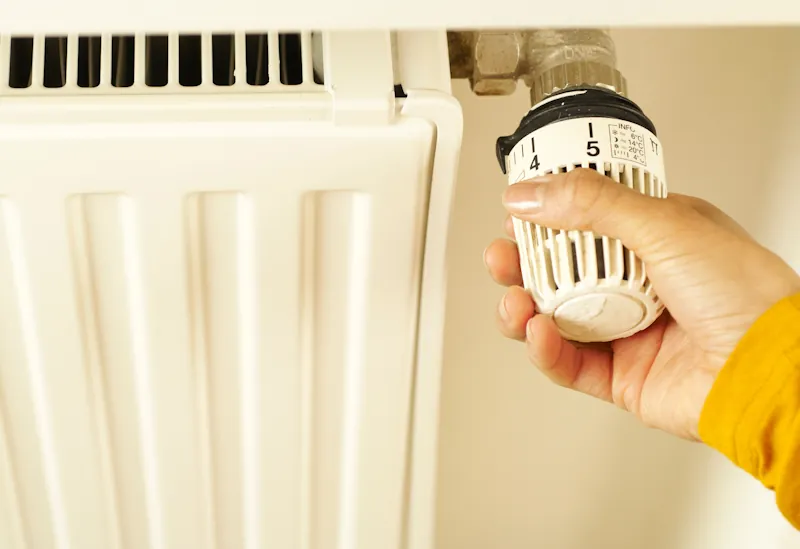
The thermostat and boiler efficiency sliders shape the running cost calculation. The live panel underneath the heating section shows what dropping the temperature by a single degree would save, update the thermostat slider and watch the figure change.
The heated blanket section covers wattage, hours of use, how many months you use it, and whether it has auto shut-off. Most heated blankets run between 60W and 150W, the wattage is usually on the label or product page. The live cost panel updates as you move the sliders so you can see the per-hour and per-day figures directly.
The lifestyle and behavioural section is where the result gets personal. Heating the whole house when you are only in one room, leaving the heating on when you go out, or turning it on by habit rather than because you are genuinely cold, these patterns add up to a meaningful chunk of the annual bill. Answer honestly and the insight boxes at the bottom will reflect your specific pattern rather than a generic one.
Heated blankets cost pennies per hour to run. Central heating costs pounds. But the honest comparison depends on how you actually live — which rooms you use, how long you heat them, and whether you are heating spaces nobody is sitting in. Fill in your details and see the real annual difference.
🔥 Your Home Heating
Which rooms do you heat? (select all that apply)
Deselect rooms you rarely heat — this calculates the wasted cost of heating rooms you do not use.
🛋️ Your Heated Blanket
🧠 How You Actually Use Your Heating
These questions shape the behavioural part of your result — the heating cost that comes from habit rather than genuine need.
💷 Financial
£0
What it costs to heat your whole home for a year.£0
Total yearly cost of running heated blankets instead.£0
How much you could save by heating yourself, not the whole house.£0
The cost of heating rooms nobody is actually sitting in.£0
per year£0
per year—
calculating...Cost breakdown
Share it with friends or family who might find it helpful.
Save on what you do buy with Savzz discount codes
How Much Does Central Heating Cost to Run Per Hour in the UK?
This is the figure most people have never actually looked up, which is part of why heating bills feel like they arrive from nowhere.
A gas central heating system for a typical UK semi-detached home outputs around 8 to 12 kilowatts. At around 7p per kWh for gas and an 85% efficient condensing boiler, running that system costs roughly 66p to £1.00 per hour. Run it for six hours a day across seven months of the year and the annual cost sits somewhere between £830 and £1,260 before any behavioural patterns are factored in.
Electric heating is far more expensive. Electric radiators typically output 1 to 2 kilowatts each. At 24p per kWh, a single 2kW electric radiator costs 48p per hour. A home with six electric radiators running at the same time costs around £2.88 per hour, roughly three to four times the gas equivalent for the same heat output.
Heat pumps are the most efficient electric option by some distance. Because they move heat rather than generate it, a well-installed heat pump delivers three to four units of heat for every unit of electricity consumed. That brings the effective rate down to around 6p to 8p per kWh of useful heat, which is competitive with gas and far cheaper than direct electric.
The calculator adjusts automatically for whichever heating type you select, which is why the heating type dropdown makes such a big difference to the output.
How Much Does a Heated Blanket Cost to Run?
Far less than most people assume, and much less than any form of central heating.
A typical heated blanket runs between 60W and 150W depending on size, brand, and setting. At medium heat and 100W, it uses 0.1 kilowatt-hours per hour. At 24p per kWh, the current approximate UK electricity rate, that works out to 2.4p per hour. Four hours of use per evening costs around 9.6p. Across seven months of winter, that is roughly £20 per year.
A higher-wattage blanket at 150W on a high setting costs around 3.6p per hour, still under £30 for a full winter of evening use. Even with multiple blankets in use at once, the annual electricity cost for heated‑blanket use is typically £15 to £50.
Auto shut-off makes a meaningful difference. Most modern heated blankets with automatic timers reduce actual running time by 15% to 25% compared to manually switching off, because they cut the heating element when the set temperature is reached and cycle rather than running continuously. The calculator applies a realistic reduction when the auto shut-off toggle is switched on.
The comparison with central heating is stark. A heated blanket for an evening’s sofa use costs around 2p to 4p. The central heating running during that same period costs 60p to £1.50 depending on system type. That is a genuine gap, not a rounding difference, and it compounds over an entire winter.
Heating the Whole House When You Are Only in One Room
This is the most expensive heating habit in most UK homes, and it is almost invisible because it just feels like having the heating on.
The average UK home has five or six heated zones: living room, kitchen, bedroom or two, bathroom, hallway. When the heating comes on, all of them warm up. But on a typical weekday evening, most people are in one or two of those rooms. The bedroom is empty until bedtime. The spare room is empty indefinitely. The hallway warms up and nobody notices.
The room selector in the calculator lets you identify which rooms you actually use regularly and which ones just get warm by default. The calculation then shows the annual cost of the unused portion, the fraction of your heating bill that goes into spaces you were not sitting in.
For a home where three of six heated rooms are rarely occupied during heating hours, that fraction is around 30% to 40% of the base heating cost. On a £1,000 annual heating bill, that is £300 to £400 per year in warmth that benefited nobody.
Thermostatic radiator valves are the straightforward solution. Fitting TRVs to radiators in rooms you do not regularly use costs around £15 to £30 per radiator and lets you turn those rooms down to frost-protection level without affecting the rest of the house. The saving typically recovers the cost inside one winter.
A heated blanket addresses the same problem from the other direction, instead of reducing heat in unused rooms, it means you can reduce whole-house heating hours by staying warm in the one room you are actually sitting in.
The Thermostat Degree Nobody Talks About
Reducing the thermostat by one degree is the most common cited energy saving tip in the UK. It is also one of the most underestimated in terms of what it actually saves.
The standard figure from energy advisers is that each degree of thermostat reduction saves approximately 8% to 10% on the heating portion of your energy bill. On a £1,000 annual heating cost, one degree saves £80 to £100 per year. Two degrees saves £160 to £200. These are not trivial numbers, and they require no equipment, no behaviour change beyond a single thermostat adjustment, and no reduction in how long the heating runs.
The reason most households do not do it is thermal comfort, the house feels slightly cooler and the instinct is to turn it back up. A heated blanket partially solves this. Dropping the thermostat by one or two degrees and using a heated blanket for the hours you are sitting still removes the perception of cold because the person in the room is warm even though the air temperature is slightly lower. The combination tends to save more than either change alone.
The calculator shows the 1°C saving figure live in the heating section, updating as you adjust the thermostat slider. For most households it is one of the larger numbers in the entire output.
Gas vs Electric Heating: Why the Type of System Changes Everything
The heated blanket saving is real regardless of heating type, but it is larger for homes on electric heating than for homes on gas, and the difference matters a lot when working out whether a blanket is worth buying.
For a gas-heated home, the running cost gap between central heating and a heated blanket is roughly 60p to £1.00 per heating hour versus 2p to 4p per blanket hour. That is a meaningful difference, but gas is relatively cheap so the absolute saving per hour is moderate.
For an electrically heated home, the gap is much wider. Electric radiators running at 24p per kWh cost 48p to 96p per radiator per hour. A house with multiple electric radiators running at once costs £2 to £4 per hour. Against that, a 100W heated blanket at 2.4p per hour represents a saving of £1.97 to £3.97 per hour of use. Four hours per evening across seven months of winter saves £1,660 to £3,320, a figure that makes even a £150 premium heated blanket look very cheap indeed.
Storage heaters sit somewhere in between. They charge overnight on cheaper off-peak tariffs, which reduces the effective rate, but the energy stored is fixed and running out mid-evening often leads to supplemental electric heating at peak rates. A heated blanket is a natural complement to storage heaters for exactly this reason, it provides warmth during the hours when stored heat has run low without triggering expensive peak-rate top-up heating.
How Long Does a Heated Blanket Take to Pay for Itself?
This is the question the hero section of the calculator answers directly, but it is worth explaining the logic behind it.
A heated blanket costs £25 to £150 depending on size, brand, and features. The annual saving from using it instead of heating hours depends on your system type, rates, and how many hours of central heating it replaces.
For a gas-heated home replacing two hours of evening central heating with blanket use across seven months: the saving is roughly £300 to £450 per year. A £40 blanket pays for itself in around five to seven weeks. A £100 blanket pays for itself in around ten to fourteen weeks.
For an electrically heated home replacing the same two hours: the saving is roughly £700 to £1,400 per year depending on system size. Even a premium £150 blanket pays for itself in two to three weeks.
The break-even calculation in the calculator uses your actual inputs: your rates, your system, your blanket cost, rather than these illustrative figures, so the number it produces reflects your specific situation rather than a national average.
One important qualification: the saving only materialises if using the blanket actually reduces central heating hours. If you use the blanket and still run the heating at the same hours and temperature, the blanket is an addition rather than a substitution and the bill goes up, not down. The saving comes from being warm enough in the blanket to lower the thermostat, run the heating for fewer hours, or turn it off earlier in the evening.
Five Ways to Reduce Your Heating Bill Without Being Cold
- Use a heated blanket for evening sofa use and drop the thermostat one degree. This combination is the most reliable way to reduce heating costs without actually feeling colder. The blanket keeps you warm while sitting still; the lower thermostat temperature costs the house barely anything in noticeable warmth but saves 8% to 10% on the heating portion of your bill. Our home appliance discount codes cover heated blankets and electric throws from a range of UK retailers.
- Turn off radiators in rooms you are not using. The spare bedroom, the hallway, the dining room that only gets used at weekends, these rooms cost money to heat and most households heat them by default. Thermostatic radiator valves let you set them to frost protection level without affecting the rest of the house. Our home accessories deals occasionally include smart heating controls and TRV deals.
- Use a heated electric throw for the bedroom rather than overnight heating. Heating a bedroom for eight hours of sleep is one of the most expensive and least necessary heating patterns. A heated electric throw or electric blanket used to warm the bed for twenty minutes before you get in, then switched off, costs under a penny and removes the need for overnight room heating entirely in most cases.
- Time your heating around when you are actually home. Smart thermostats and basic programmable timers both achieve this, heating the house for the hour before you arrive rather than running all day is one of the simplest changes available. For anyone working from home, a single-room electric heater or heated blanket for the office hours is almost always cheaper than whole-house heating during the working day.
- Check Savzz before buying any heating-related products. Our home appliance deals cover heated blankets, portable heaters, smart plugs, and thermostatic controls. Our bedding and linen discount codes include thermal duvets and winter bedding that reduce how much overnight heating you need. Checking before you buy takes thirty seconds.
What Could You Do With the Money Instead?
Once you have your annual heating figure from the calculator it is worth putting it in context.
The average UK household spends around £1,500 to £2,000 per year on energy, with heating making up the largest single portion. For households on electric heating, that figure is far higher. After the energy price increases of 2022 and 2023, many households are paying 30% to 50% more than they were three years ago for the same usage.
A saving of £200 to £400 per year from a combination of thermostat reduction, unused room management, and heated blanket substitution is not going to solve anyone’s financial situation on its own. But it is roughly the cost of a week’s food shopping every month, or a short UK break every year, or a meaningful contribution to an emergency fund.
The point of the calculator is not to suggest you heat your home less than you need to. Cold homes have real costs: health costs, comfort costs, the cost of not being able to concentrate or sleep properly. The point is to show where the money is going so you can make a deliberate choice about which parts of it are worth spending and which parts are happening by habit.
When you are buying heated blankets, bedding, or home heating products, our home appliance discount codes, bedding deals, and home accessories vouchers mean you are not paying full price for any of it.
Frequently Asked Questions
Is a heated blanket cheaper than central heating?
Yes, but the saving only materialises if you use the blanket instead of running the heating, not alongside it. A 100W heated blanket costs around 2.4p per hour to run at current UK electricity rates. Gas central heating costs roughly 60p to £1.00 per hour for a typical home. Electric heating costs much more. The calculator works out the annual difference based on your specific system type, rates, and hours of use.
How much does it cost to run a heated blanket all night?
At 100W and 24p per kWh, a heated blanket running for eight hours costs around 19p. Most people do not run heated blankets all night, they warm the bed before sleep and either switch off manually or rely on auto shut-off. The calculator lets you set your actual usage hours for an accurate figure.
What wattage is a typical heated blanket?
Most single-person heated blankets run between 60W and 100W. Double and king-size blankets typically run between 100W and 150W. Premium models with zone controls can run up to 200W. The wattage is usually on the product label, the packaging, or the product listing. The calculator accepts any value between 30W and 250W.
Does dropping the thermostat by 1°C really save money?
Yes, around 8% to 10% of your heating cost per degree, which for a typical UK household is £60 to £120 per year per degree of reduction. The exact figure depends on your heating system, the size of your home, and your current thermostat temperature. The calculator shows the live saving figure for your inputs as you adjust the thermostat slider.
Is electric heating or gas heating more expensive to run?
Electric heating is typically three to four times more expensive per unit of heat delivered than gas, based on current UK tariff rates. At 24p per kWh for electricity versus 7p for gas, and accounting for boiler efficiency losses, gas heating costs roughly 8p to 10p per kWh of useful heat while electric radiators cost 24p per kWh. This is why the case for a heated blanket is much stronger for homes on electric heating, the saving per blanket hour is far larger.
How long does a heated blanket take to pay for itself?
For a gas-heated home replacing two hours of evening heating per day, a £40 blanket typically pays for itself in five to eight weeks. For an electrically heated home, the same blanket can pay for itself in under two weeks. The break-even calculation in the calculator uses your specific energy rates, system type, and blanket cost to give you the figure for your situation.
Is it safe to leave a heated blanket on all night?
Modern heated blankets with auto shut-off and overheat protection are designed for extended use, but most manufacturers recommend not sleeping with them running continuously. Using a blanket to warm the bed for twenty to thirty minutes before sleep and then switching off is the standard approach, and also the cheapest, since it means the blanket uses very little electricity for that session. Always follow the manufacturer’s guidance for your specific product.
Who built this calculator?
The Savzz Heated Blanket vs Heating Calculator was built by the team at Savzz.co.uk, a UK discount code and money-saving site. We built it because most heated blanket cost comparisons just multiply a blanket’s wattage by 24 hours and call it an annual cost, ignoring the room-by-room waste in central heating, the thermostat effect, the difference between gas and electric systems, and the behavioural patterns that inflate heating bills beyond what they need to be. This calculator covers all of it in one place. It is completely free to use and needs no sign up.