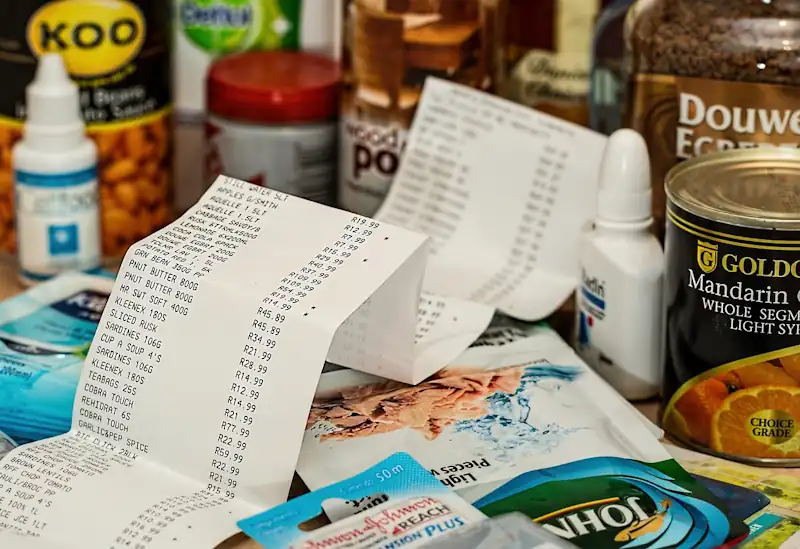
Food and drink is one of the easiest areas of a UK household budget to overspend in without ever noticing. Grocery prices have risen sharply over the past few years, the daily coffee or tea run rarely gets counted as a real cost, meal kit subscriptions often quietly step up in price once the introductory offer ends, and food waste happens in small amounts most people never add up. None of it feels like a decision at the time. It just feels like an ordinary week.
That is exactly why this area of spending is so easy to lose track of. A weekly shop that has crept up over three years, a coffee bought most mornings, a meal kit box that costs a lot more than it did on the first delivery, a bag of salad that goes soft in the fridge before anyone gets round to it. Each one is small and reasonable on its own. Together, across a full year, they usually add up to far more than most households would guess.
Savzz has built five free calculators to help UK households see the real numbers behind these habits. Each one takes a specific part of everyday food and drink spending and turns it into a clear annual figure, using real UK pricing and research from sources such as the Office for National Statistics and WRAP. None of them ask you to change how you eat or drink. They simply show you what your current habits actually cost, so any decision about whether to change something is based on a real number rather than a guess.
The five calculators covered on this page are:
- Grocery Inflation Calculator
- Coffee Spending Calculator
- Tea Spending Calculator
- Meal Kit vs Supermarket Calculator
- Food Waste Cost Calculator
Each one is explained in detail below, including what it measures, why it matters, and how it can help you spend less without giving anything up.

Grocery Inflation Calculator
The Grocery Inflation Calculator works out exactly how much more your weekly shop costs now compared to one year ago, two years ago, or five years ago, using real Office for National Statistics food price data rather than a single national average. It also compares your current supermarket against every major UK chain, so you can see what the same shop would cost at Aldi, Tesco, Waitrose, or anywhere else.
This matters because most people have a vague sense that their food bill has gone up without ever knowing the actual figure. UK food inflation peaked at around 19 percent in early 2023, the highest rate in over 45 years, and many households have absorbed hundreds of pounds in extra cost each year without a specific number ever being attached to it. A household spending £100 a week can find that inflation alone has added close to £900 a year to their bill compared to three years ago.
Key insights from this calculator include:
- Weekly cost changes: how much more your specific shop costs now compared to your chosen comparison year
- Annual impact: the real yearly cost added by food inflation, based on your own weekly spend
- Supermarket comparison: what your current basket would cost at every major UK supermarket
- Category breakdown: which food types, such as ready meals, dairy, or fruit and vegetables, have inflated fastest for your household
- Switching potential: the realistic annual saving from moving some or all of your shop to a cheaper chain
This calculator helps you save money by turning a vague sense of rising prices into a specific, actionable figure. Once you can see that switching from Waitrose to Aldi for your staples could save several hundred pounds a year, or that a split shop between a discount chain and your usual supermarket captures most of that saving without a full switch, the decision becomes a lot easier to make. It also shows you which categories are driving your own price rises the most, so you know exactly where to focus if you want to cut your bill without changing what you eat.
If you want to see how your grocery spending fits into the bigger picture, it is worth exploring the other calculators in this collection, particularly the Food Waste Cost Calculator, since waste and inflation often combine to push a food budget higher than either one alone would suggest.
Coffee Spending Calculator
The Coffee Spending Calculator works out what your coffee habit genuinely costs across a year, including the parts most people never think to add up: the oat milk, the syrup, the pastry grabbed at the counter, the queueing time, and the coffees bought out of stress or habit rather than real want. It also compares your current spending against what the same coffees would cost made at home.
This matters because a £4 coffee rarely stays a £4 purchase once add-ons are included, and most people have no real sense of what their coffee habit costs once every part of it is counted properly. NatWest research puts average UK coffee spending at around £300 a year, but that figure only reflects the base menu price. Once add-ons and behavioural patterns are included, the realistic figure for a regular coffee shop customer sits closer to £600 to £1,500 a year, and can exceed £2,000 for a strong daily habit involving multiple coffees and extras.
Key insights from this calculator include:
- Base habit cost: what your typical coffee order actually costs across a full year
- Add-on impact: what alternative milk, syrups, extra shots, and snacks are adding on top of the base price
- Home coffee comparison: what the same number of coffees would cost made at home instead
- Behavioural spending: how much of your habit is driven by stress, boredom, or social pressure rather than genuine want
- Time cost: what queueing and travel time for a daily coffee run is worth across a year
This calculator helps you save money by showing exactly where your coffee budget is going, rather than leaving it as one vague monthly total. For many people, the biggest saving comes from making just one of their regular coffees at home instead of buying it, which alone can save close to £1,000 a year for someone with a daily habit. It also helps you spot whether a loyalty card or subscription genuinely suits how often you actually buy, rather than assuming it saves money by default.
Since tea and coffee spending often overlap in the same household, it is worth also trying the Tea Spending Calculator to see the complete picture of your hot drink spending rather than just one half of it.
Tea Spending Calculator
The Tea Spending Calculator works out the true annual cost of a tea habit, covering home brewing, bought-out teas, biscuits and other add-ons, workplace tea rounds, and even the electricity cost of boiling the kettle. It also applies a behavioural multiplier to reflect how much of your tea drinking is driven by habit, stress, or social routine rather than actual thirst.
This matters because tea drinkers tend to assume they are the cheap option compared to coffee drinkers, and in terms of the base ingredient they usually are. A home-brewed cup of builder’s tea costs somewhere between 6p and 15p once milk and electricity are included. But once bought-out teas, biscuits, workplace rounds, and add-ons are properly counted, the annual total for a regular tea drinker who also buys out occasionally typically lands between £200 and £500, and can sit above £600 for a strong habit with regular extras.
Key insights from this calculator include:
- Home brewing cost: your true cost per cup once milk, tea bags, and electricity are included
- Bought-out total: what tea bought from cafes, bakeries, or work canteens adds across a year
- Add-on spending: what biscuits, alternative milk, and cake add to your annual figure
- Workplace round cost: what making tea rounds for colleagues adds in supplies and time
- Behavioural pattern: how much of your tea drinking happens from habit rather than genuine want
This calculator helps you save money by revealing the parts of a tea habit that never get counted, particularly workplace rounds and bought-out teas, which can quietly add hundreds of pounds a year even for someone who considers their tea drinking cheap. Because tea is often seen as harmless, this calculator is especially useful for anyone who wants to check that assumption against a real number rather than a guess.
If coffee also features in your daily routine, the Coffee Spending Calculator is worth running alongside this one so you can see your full hot drink spending in one place rather than treating each habit separately.
Meal Kit vs Supermarket Calculator
The Meal Kit vs Supermarket Calculator compares the true cost of a meal kit subscription such as HelloFresh, Gousto, or Mindful Chef against cooking the same meals from a supermarket shop. It accounts for the full ongoing price rather than the introductory offer, and includes food waste on both sides, since meal kits typically waste far less than a standard supermarket shop.
This matters because meal kit pricing is often judged on the introductory offer rather than the price that actually appears on the bank statement from the fifth or sixth box onwards. A HelloFresh 2-person, 3-meal box can cost around £22 to £25 for the first delivery and then rise to around £53 to £56 a week at full price, a gap of around £30 a week that often catches subscribers by surprise. Cooking the same three dinners from a mid-range supermarket shop typically costs £30 to £45 once ingredients, top-up shops, and delivery fees are properly included.
Key insights from this calculator include:
- True weekly cost: the full ongoing price of your meal kit, not the introductory offer
- Supermarket equivalent: a realistic cost for cooking the same meals from your usual shop
- Food waste adjustment: how waste levels on each side change the real comparison
- Annual difference: what the gap between the two options adds up to across a year
- Time value: what the planning and shopping time saved by a meal kit is worth to you
This calculator helps you save money by showing the real gap between meal kit convenience and supermarket cost, rather than the flattering picture painted by an introductory offer. For some households, the supermarket wins outright once waste and top-up shops are properly counted. For others, the time saved by a meal kit genuinely justifies the extra cost. Either way, the decision becomes a conscious one rather than something that happens by default when the discount period ends.
Since food waste plays such a large part in this comparison, it is worth also trying the Food Waste Cost Calculator to see how much waste might be adding to your supermarket shopping regardless of which option you choose.
Food Waste Cost Calculator
The Food Waste Cost Calculator works out exactly how much food your household throws away every year, adapted to your specific diet type, whether that is omnivore, vegetarian, vegan, keto, or carnivore. It shows both the financial cost and the CO2 impact of that waste, based on WRAP’s UK research and realistic supermarket pricing.
This matters because food waste is one of the most invisible costs in any household budget. It happens in small amounts several times a week and ends up in the bin rather than on a bank statement, which means most people never see the true scale of it. WRAP estimates that the average UK household throws away around £730 of food every year, roughly £14 a week, and the figure is typically higher for families with children, often exceeding £1,000 a year.
Key insights from this calculator include:
- Diet-specific waste: presets and categories tailored to your actual eating habits rather than a generic template
- Annual cost: the real pounds and pence value of what your household throws away each year
- Most wasted items: which specific foods, such as bagged salad, bread, or milk, are costing you the most
- Waste frequency: how weekly versus occasional waste changes your total
- CO2 impact: the environmental cost of your food waste alongside the financial one
This calculator helps you save money because reducing food waste does not require buying cheaper food or eating differently. It simply means getting more value out of what you already buy. For a household wasting the UK average of £730 a year, cutting that waste in half saves £365 with no change to diet, quality, or variety, which makes it one of the most straightforward savings available to any household.
Because meal planning affects both grocery spending and waste, it is worth also trying the Grocery Inflation Calculator and the Meal Kit vs Supermarket Calculator to see how these different parts of your food budget connect.
How to Use These Tools Together
Used on their own, each of these five calculators gives you a useful number. Used together, they give you a genuinely full picture of where your food and drink budget actually goes, because grocery prices, hot drinks, meal kits, and food waste all draw from the same weekly spend even though they rarely get compared side by side.
Start with the Grocery Inflation Calculator to understand what your base weekly shop costs and how much of the rise you have seen is down to inflation rather than anything you are buying differently. From there, the Food Waste Cost Calculator shows how much of that shop never actually gets eaten, which is often the single easiest saving to make because it needs no change to diet or quality. The Coffee Spending Calculator and Tea Spending Calculator cover the daily habits that sit outside the weekly shop entirely and rarely get counted as part of a food budget at all, even though they often add up to more than people expect. The Meal Kit vs Supermarket Calculator ties the picture together for anyone weighing up convenience against cost for their evening meals.
What tends to stand out once all five are used together is how much of the total comes from small, daily habits rather than one large expense. A coffee here, a bag of wilted salad there, a meal kit box that quietly rose in price, none of these look significant on their own, and that is exactly why they are so easy to lose track of. Seen across a full year, they are usually where the biggest opportunity to save is actually hiding.
Explore all food tools with the Grocery Inflation Calculator as a starting point for your household’s full food and drink picture.
See your yearly spending laid out clearly with the Food Waste Cost Calculator, which often reveals the largest single hidden cost in a typical food budget.
Find practical savings by comparing your options directly with the Meal Kit vs Supermarket Calculator, which shows exactly where convenience is costing you extra and where it might genuinely be worth it.
None of these tools ask you to eat less, drink less, or cut anything you enjoy. They simply show you what your current habits cost, so any change you decide to make is based on a real number rather than a guess.
Final Thoughts
Food and drink spending is one of the easiest parts of a household budget to underestimate. A weekly shop that has crept up over time, a morning coffee, a tea round at work, a meal kit that costs more than expected, and the quiet waste that happens in the fridge all add to the total without ever feeling like a decision. These calculators give you a clear picture of what those habits cost across a full year, using real UK data rather than guesswork.
You do not need to change how you eat or drink to benefit from these tools. The value comes from seeing the real numbers behind your routine. Once you know where the money is going, it becomes much easier to decide which parts of your food and drink spending feel right and which parts you might want to adjust. Even small changes can make a real difference over twelve months.
If you want to explore your habits further, you can continue with the Grocery Inflation Calculator, check your waste with the Food Waste Cost Calculator, or compare your evening meals with the Meal Kit vs Supermarket Calculator. Each tool adds another part of the picture, helping you understand your food and drink spending in a clear and practical way.