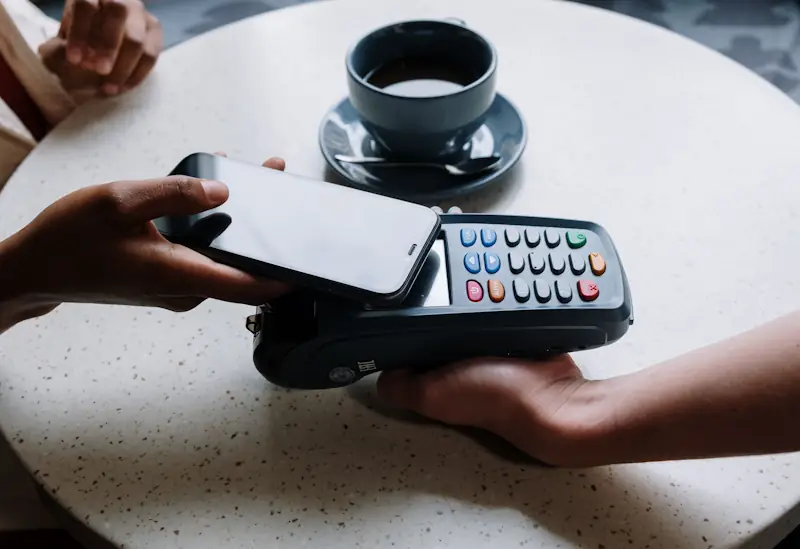
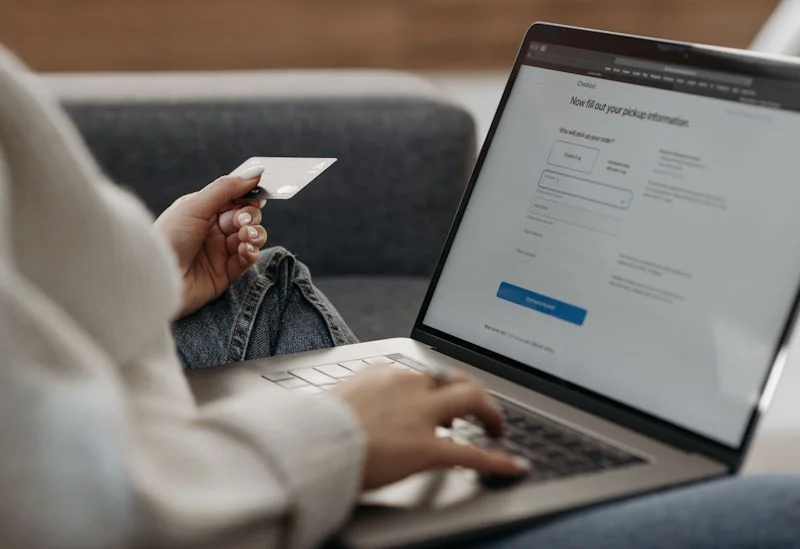
It is Tuesday evening and you have had a long day. You did not sleep well, a meeting overran, and by the time you get home the idea of cooking feels impossible. So you order in. It is £14, which feels fine in the moment, just one evening, just this once. Except it was also Thursday. And the week before that. None of those nights felt like a financial decision. Each one felt like the only reasonable response to a hard day.
This is how most everyday spending actually happens. Not through one big purchase that gets weighed up and decided on, but through dozens of small ones that never feel worth stopping to think about. A coffee on the way to work. A subscription that was useful once and now just sits there unused. A treat bought online after a rough afternoon. A scroll through social media that somehow ends with three items sitting in a basket. None of it feels like spending. It feels like ordinary life.
That is exactly why these habits are so easy to underestimate. A £4 coffee or a £9 subscription does not register as something worth examining, but when every one of those small moments is added up across a full year, the total is usually far higher than people expect, often by hundreds of pounds. Savzz built five free calculators to put a real number on this. Each one takes a different everyday habit and breaks it down honestly, including the parts most people never think to count, so a household can see where its money is actually going rather than the version that lives in someone’s head.
Here are the five everyday spending tools covered in this pillar:
- Coffee Spending Calculator
- Convenience Spending Calculator
- Retail Therapy Calculator
- Subscription Creep Calculator
- Social Media Cost Calculator

Coffee Spending Calculator
The Coffee Spending Calculator works out what your daily coffee habit actually costs across a full year, including the extras that quietly push the number up. It covers the base price of your usual order, add-ons like syrup and alternative milk, weekend coffees, and the behavioural patterns that lead to a second cup on a bad day. For UK households, coffee is one of the easiest categories to lose track of because each individual purchase feels too small to matter, even though a daily habit adds up to hundreds of pounds a year without anyone noticing.
Key Insights
- How much your specific order, including add-ons, actually costs across a full year
- What a home coffee setup would cost by comparison, using your own numbers
- How much of your habit is driven by routine or stress rather than genuine enjoyment
- The hidden time cost of queueing, and what that time is worth
- Whether a loyalty card or subscription actually suits how you order
Why It Helps You Save Money
Once you can see the annual figure broken into its parts, base cost, add-ons, and behavioural extras, it becomes much easier to decide where to make a change. Some people find that switching just one of their two daily coffees to a home-made version saves close to £1,000 a year. Others realise their loyalty card does not actually match how often they visit. The calculator does not tell you to give coffee up. It gives you the real number so any change you make is based on fact rather than a rough guess.
If you want to see how your coffee spending compares to the other everyday habits covered here, it is worth working through the other calculators in this pillar too.
Convenience Spending Calculator
The Convenience Spending Calculator looks at what people pay to save time and effort in daily life. This covers takeaway delivery fees, service charges, pre-cut and pre-packaged food, taxis instead of public transport, and the small premiums that come with choosing the easy option over the cheaper one. UK households often underestimate this category because each convenience purchase is justified individually in the moment, without anyone stepping back to see the pattern across a month or a year.
Key Insights
- The true annual cost of delivery fees, service charges and convenience premiums
- How much extra you pay for pre-prepared food compared to cooking from scratch
- Where convenience spending clusters, whether that is evenings, weekends, or after work
- What the same money would look like if redirected toward a goal or a saving pot
- Which convenience habits are genuinely worth the cost and which ones are not
Why It Helps You Save Money
Convenience spending is rarely one big decision. It is dozens of small ones made under time pressure or tiredness, each one reasonable on its own. Seeing the yearly total in one place makes it far easier to spot which convenience habits are worth keeping and which ones have become the default simply because nobody stopped to check the cost. Some convenience spending is a fair trade for time and energy. This calculator helps you work out which parts of yours actually are.
Once you have your convenience total, it is worth comparing it against the other calculators in this pillar to see the full shape of your everyday spending.
Retail Therapy Calculator
The Retail Therapy Calculator focuses on emotional spending, the purchases made to feel better after a stressful day, a low mood, or a difficult week rather than because something was genuinely needed. It asks about triggers, frequency, typical spend, and how often those purchases end up unused or returned. This is one of the harder categories for people to be honest about, but it is also one of the most common ways UK households lose money without realising where it went.
Key Insights
- How much emotional or mood-driven purchasing costs across a full year
- Which situations or feelings tend to trigger a purchase for you personally
- How much of that spending goes on items that are barely used afterwards
- The gap between how a purchase feels in the moment and how it feels weeks later
- Practical ways to add a pause before an emotional purchase without removing the enjoyment entirely
Why It Helps You Save Money
Retail therapy is not inherently a problem. Treating yourself occasionally is a normal part of managing a hard week. The issue is when it becomes the automatic response every time, without anyone noticing how the individual purchases add up. This calculator gives you a clear number to sit with, along with an honest look at the patterns behind it, so you can decide which purchases genuinely add value to your life and which ones were really about the feeling of buying rather than the item itself.
For a fuller picture of your everyday spending, it is worth also checking the other calculators covered in this pillar.
Subscription Creep Calculator
The Subscription Creep Calculator adds up every recurring payment leaving your account each month, streaming services, apps, memberships, subscription boxes, and anything else billed automatically. Subscriptions are designed to be easy to start and easy to forget, which means most UK households are paying for at least one service they barely use, sometimes several. Because each individual charge feels small, the combined monthly total is one of the most commonly underestimated numbers in a household budget.
Key Insights
- Your full combined monthly and annual subscription total in one place
- Which subscriptions you use regularly and which ones have quietly gone stale
- How much unused or rarely used subscriptions cost you across a year
- Where overlapping services are covering the same need twice
- How your subscription total compares to typical UK household spending in this category
Why It Helps You Save Money
Subscriptions are one of the fastest categories to fix once you can actually see them listed together. Most people find at least one service worth cancelling as soon as the full list is in front of them, because it is much easier to spot waste in a complete picture than in a scattered set of bank notifications spread across the month. This calculator turns that scattered picture into one clear total, making it far easier to keep only what you genuinely use and value.
Once your subscriptions are sorted, the other calculators in this pillar can help you look at the rest of your everyday spending too.
Social Media Cost Calculator
The Social Media Cost Calculator looks at how much time spent scrolling actually translates into spending. This covers impulse buys prompted by adverts or influencer content, items added to a basket during a scrolling session, and the general link between screen time and shopping behaviour. Social media platforms are built to make browsing and buying feel like the same activity, and UK households often spend more this way than they would ever plan to sit down and spend on purpose.
Key Insights
- How much of your spending starts with something seen while scrolling
- The link between your screen time and your buying patterns
- How impulse purchases made on a phone compare in cost to planned purchases
- Which platforms or types of content tend to prompt a purchase for you
- What your annual total looks like once these small impulse buys are added up
Why It Helps You Save Money
Most people do not think of scrolling as a spending activity, which is exactly why it works so well as one. This calculator connects the two directly, showing how much of your yearly spending actually starts on a screen rather than with a genuine need. Once that link is visible, it becomes much easier to add a pause before buying, use a wishlist instead of an instant purchase, or simply notice the pattern the next time it happens.
To see how social media spending fits alongside your other everyday habits, take a look at the other calculators in this pillar.
Why Everyday Habits Quietly Drain Money
Every habit covered in this pillar shares the same basic shape. Each individual purchase is small enough to feel harmless, and none of them are ever weighed up against a full year of the same behaviour. Nobody sits down and consciously decides to spend £900 on coffee or £600 on subscriptions in a year. Instead, that number builds up through hundreds of separate moments, each one reasonable on its own, none of them ever added together.
Emotional triggers play a large part in this. Stress, boredom, tiredness and a low mood are all common reasons people reach for a purchase, whether that is a coffee, a takeaway, or something bought during a scroll through social media. These purchases work in the short term. A treat genuinely can improve a bad day. The trouble starts when a coping method becomes the automatic response every time, without anyone checking how often it happens or what it costs across a year.
Convenience works in a similar way. Choosing the easier option under time pressure is a completely normal response, and sometimes it is the right call. A £6 delivery fee on an evening when you are exhausted is not a bad decision. The pattern only becomes expensive when convenience becomes the default setting rather than an occasional choice, and when the small premium attached to each easy option is never added up across the weeks and months it happens.
Social pressure adds another layer. Buying a round of coffees because colleagues are going, keeping a subscription because everyone talks about the same show, or picking up an item because it is trending online are all spending decisions shaped by what other people are doing rather than a personal want. None of these are unreasonable in isolation. They only become worth examining once you can see how often they happen and what they cost over time.
Digital habits make all of this harder to notice. Subscriptions are designed to be forgotten once the free trial ends. Social media platforms are built to blend browsing and buying into a single seamless motion, so a purchase can happen in the middle of an unrelated scroll without ever feeling like a deliberate decision. Push notifications, one-click checkout and saved card details all remove the natural pause that used to exist between wanting something and actually paying for it. Each of these design choices is small, but together they make it far easier to spend without noticing.
The core reason people underestimate these costs comes down to how the human brain handles small, repeated numbers. A one-off £900 payment feels like a lot of money and gets scrutinised. A £4 coffee bought most days does not get the same scrutiny, even though the two numbers can end up roughly equal across a year. Daily and weekly habits slip under the radar precisely because they never appear as one large number. They only ever show up as a long series of small ones, and small numbers do not trigger the same caution that big ones do.
This is exactly why these five calculators exist. Each one takes a category of spending that normally hides inside dozens of small transactions and turns it into one honest annual figure. Once that figure is visible, the choice about what to do with it becomes much easier to make.
Practical Ways to Reduce Everyday Spending
- Get your real numbers first. Before changing anything, work through the calculator for the habit you suspect is costing you the most. Guessing at a figure and knowing the actual figure lead to very different decisions.
- Add friction to impulse purchases. Remove saved card details from apps you browse casually, or add items to a wishlist instead of buying immediately. A short pause is often enough to tell the difference between a genuine want and a passing one.
- Review your subscriptions on a set date. Pick one day every three months to look through everything billed automatically. Cancel anything you have not used since the last check.
- Prepare for your usual triggers. If a stressful commute usually ends in a coffee shop stop, or a hard day usually ends in an online order, having an alternative ready in advance makes it easier to break the pattern without feeling like you are missing out.
- Reduce convenience triggers where you can. Batch cooking one evening a week, keeping quick meals in the freezer, or setting up a regular food shop can remove the tiredness-driven decision that usually leads to a costly convenience purchase.
- Set a screen time check before checkout. If a purchase started during a scrolling session, give it a day before completing it. Most impulse buys lose their pull once the scrolling stops.
- Keep the habits that genuinely add value. None of this is about cutting everything out. A coffee you look forward to, a subscription you actually watch, or an occasional treat that lifts a hard week are all reasonable spending. The aim is knowing which parts of your routine earn their place and which ones do not.
- Use Savzz discount codes for anything you decide to keep. Once you know which habits are worth keeping, checking for a working discount code before you pay is a simple way to reduce the cost of the spending you have chosen to hold on to.
Final Thoughts
Everyday habits rarely feel like a spending category, which is exactly what makes them worth a proper look. Coffee, convenience purchases, subscriptions, emotional shopping and social media browsing all operate the same way. Each individual purchase is too small to think twice about, and the real cost only becomes clear once a full year of the same behaviour is added together.
Working through all five calculators gives you the fullest possible picture of where your everyday money goes. Some habits will turn out to be exactly as cheap as you assumed. Others will be higher than expected, and that is genuinely useful to know, not as a reason to feel bad about how you spend, but as the starting point for deciding whether your current pattern actually matches what you want your money to be doing.
Small daily decisions rarely feel important in the moment. Across a full year, they are often the single biggest factor in a household budget, bigger than the occasional large purchase that gets all the attention and second-guessing. Taking twenty minutes to work through these five calculators is a straightforward way to see your own patterns clearly, and to make any changes based on real numbers rather than a guess.