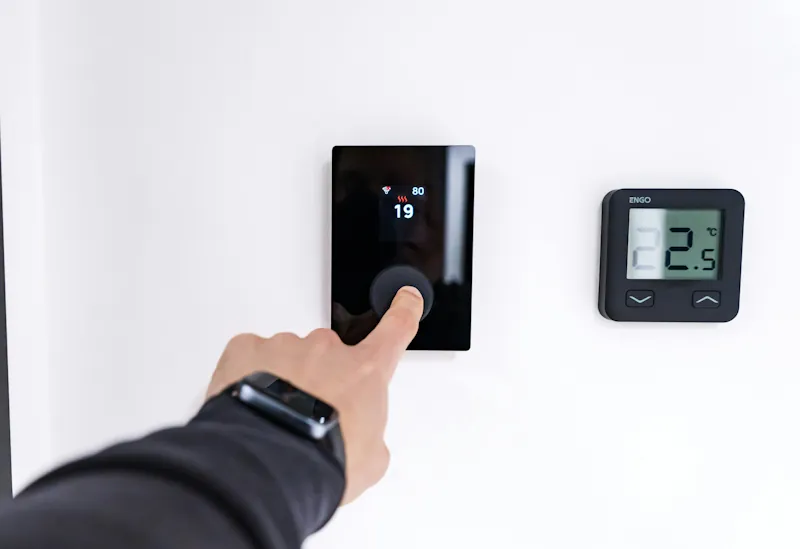
You are finally holding the keys, standing in an empty hallway that smells faintly of fresh paint, and for a moment the only thing that matters is that the house is yours. Then the first bill arrives. Then a second one you were not expecting. Then, a few months in, you are sat on the sofa with a blanket over your knees, the thermostat turned up, wondering why your feet are still cold when the heating has been running for hours. Nobody mentioned any of this at the viewing. The estate agent talked about the garden and the good school catchment. Nobody stood in the hallway and explained what the house would actually cost to run once the excitement of the keys had worn off.
This is the part of home ownership that rarely gets talked about honestly. The deposit is the number everyone plans for, but it is rarely the number that actually determines what lands in your account on completion day, once stamp duty, solicitor fees, surveys and moving costs are added on top. Heating a home costs a specific amount per hour that almost nobody knows until they work it out properly. Drafts and poor insulation quietly waste a meaningful share of every pound spent on heating, escaping through gaps most homeowners have never noticed. Water costs arrive on one bill while the cost of heating that water hides inside a completely different one. Appliances draw power in the background whether they are being used or not, adding up to a total that never appears as its own line anywhere.
Savzz built five free calculators to bring all of this into the open, so buying and running a home in the UK becomes a decision made with the full picture rather than the version that fits neatly into a single viewing.
Here are the five home ownership tools covered in this guide:
- First-Time Buyer Calculator
- Home Heating Cost Calculator
- Home Energy Leak Cost Calculator
- Water Bill Cost Calculator
- UK Energy Appliance Running Cost Calculator

First-Time Buyer Calculator
The First-Time Buyer Calculator shows the full cash figure you need on day one, not just the deposit, but stamp duty, solicitor fees, survey costs, moving costs, and the monthly mortgage repayment that follows, all in one place. Most mortgage calculators only show a single monthly figure. This one answers the question that actually matters before you get the keys, how much cash you genuinely need before completion.
Key Insights
- The total cash needed on day one, not just the deposit amount
- A plain-English breakdown of your stamp duty as a first-time buyer
- How solicitor fees, survey costs and moving costs stack on top of the deposit
- Your monthly mortgage repayment based on your rate and term
- How the total upfront figure changes as the property price moves across a stamp duty threshold
Why It Helps You Save Money
Most first-time buyers budget carefully for the deposit and then get caught out by everything that sits alongside it. Seeing the full day-one figure well in advance means the gap between your savings and the real total is visible early, giving you time to plan for it properly rather than discovering it during the stressful final weeks before completion.
If you want to see what the ongoing running costs of a home look like once you are in it, the other calculators in this guide cover exactly that.
Home Heating Cost Calculator
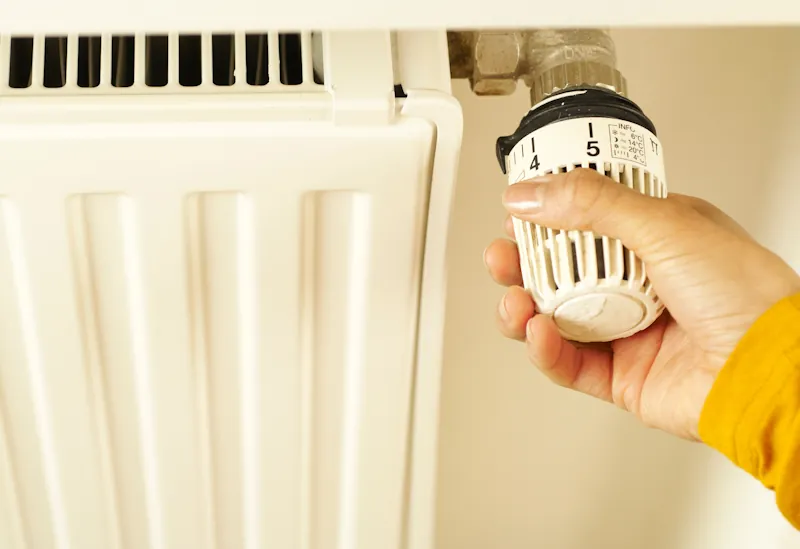
The Home Heating Cost Calculator works out exactly what your heating costs per hour, day, month and year, based on your own system rather than a generic estimate. It covers gas, electric, heat pump and oil systems, and accounts for your energy rate, your boiler’s age, and how well insulated your home actually is.
Key Insights
- The exact cost of running your heating for one hour, based on your own system and rate
- How your daily, monthly and annual heating cost compares to a typical UK home
- Whether leaving heating on low all day or switching it on and off saves more for your home
- What a one degree change on the thermostat actually does to your yearly bill
- Which rooms are being heated unnecessarily and what that costs across a year
Why It Helps You Save Money
Heating is one of those bills people manage by feel rather than by number, nudging the thermostat up on a cold evening without ever knowing what that nudge costs. Once you can see the real per-hour and per-degree figures for your own home, small adjustments become genuine decisions rather than guesses.
Once you know your heating cost, the Home Energy Leak Cost Calculator in this guide is a natural next step.
Home Energy Leak Cost Calculator
The Home Energy Leak Cost Calculator works through your whole home, zone by zone, and turns a vague sense that the house feels draughty into a single annual figure, alongside a prioritised list of fixes ordered by how quickly each one pays for itself. Research from the Energy Saving Trust has found that the average UK household loses roughly a third of its heating through walls, roofs, floors, and gaps around windows and doors, and for many older properties that share is even higher.
Key Insights
- Your total annual cost from drafts and poor insulation, based on your home’s specific gaps
- Which areas of the house are losing the most heat, from the loft hatch to the front door
- A prioritised list of fixes ranked by how quickly each one pays for itself
- How your home’s losses compare to the Energy Saving Trust’s typical UK figures
- What a properly draught-proofed home could save across a full winter
Why It Helps You Save Money
Money spent heating air that immediately escapes through a gap is real money, it simply never appears as its own line on any bill, which is exactly why it is so easy to overlook. Turning that vague sense of a draughty house into a specific annual figure, ranked by which fix pays for itself fastest, makes it far easier to know where to spend money on improvements first rather than guessing.
To see how energy leaks fit alongside the rest of your household bills, the other calculators in this guide are worth a look too.
Water Bill Cost Calculator
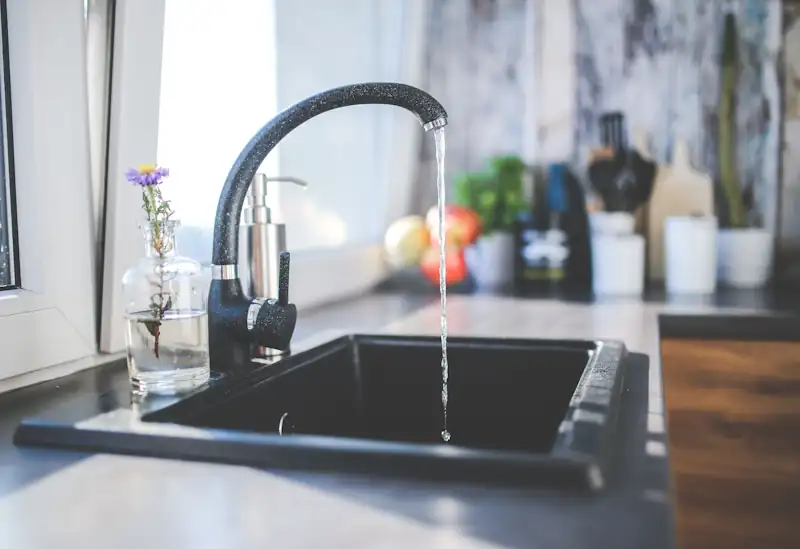
The Water Bill Cost Calculator shows the true annual cost of every shower, bath, tap and appliance in your home, including the cost of heating that water, which never appears on your water statement at all. It covers both the water company charge and the gas or electricity used to heat it, putting the two figures side by side for the first time.
Key Insights
- The combined annual cost of your water usage and the energy used to heat it
- How much a typical shower or bath costs once heating is included
- What a dripping tap or unnoticed leak adds to your bill across a year
- How your household’s water use compares to a typical UK home of the same size
- Where realistic savings sit once both bills are considered together
Why It Helps You Save Money
Water and the energy used to heat it arrive on two completely separate bills, which means almost nobody ever adds them together in their head. This calculator does that addition for you, showing the real annual cost of everyday water use rather than the partial picture your water statement gives on its own.
For a fuller picture of your household bills, it is worth working through the other calculators in this guide as well.
UK Energy Appliance Running Cost Calculator
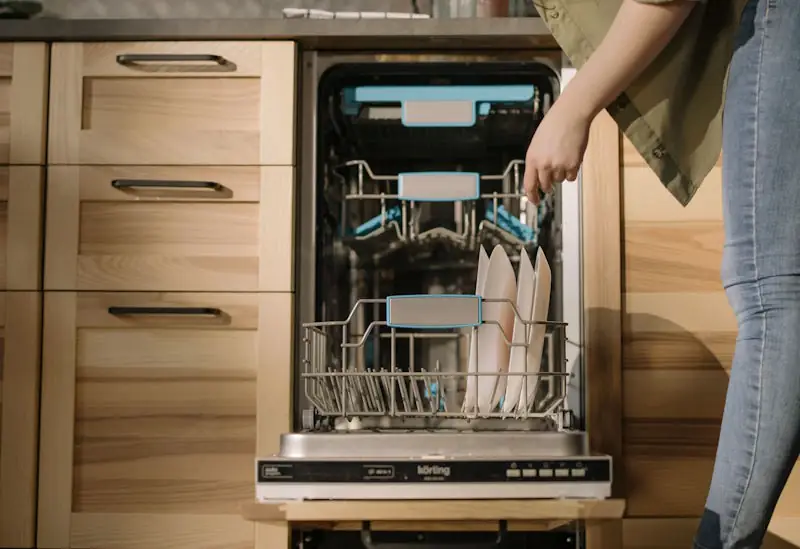
The UK Energy Appliance Running Cost Calculator shows the daily, weekly, monthly and annual cost of every major appliance in your home, including what devices are costing you while switched off but still plugged in. It covers everything from the fridge that runs constantly in the background to the games console left on standby, using your own unit rate rather than a national estimate.
Key Insights
- The individual running cost of each major appliance in your home across a full year
- How much standby power is costing you on devices that appear to be switched off
- Which appliances are the biggest contributors to your electricity bill
- How solar panels change your appliance running costs if you have them installed
- Where the gap sits between what you assumed an appliance cost and what it actually costs
Why It Helps You Save Money
Appliance costs are almost invisible day to day because they arrive as one combined electricity bill rather than a breakdown by device. Once you can see each appliance listed separately, including the ones quietly drawing power on standby, it becomes far easier to work out which habits are worth changing.
Once you know what your appliances are costing, it is worth checking the other calculators in this guide for the full picture of what your home costs to run.
Why Home Ownership Has Hidden Costs
First-time buyers underestimate long-term costs largely because the entire process is built around one headline figure, the deposit, while everything else quietly arrives afterward in separate pieces. Stamp duty, solicitor fees, survey costs and moving costs all get treated as small side details during the buying process, when in reality they can add tens of thousands of pounds to the cash actually needed on completion day. The running costs that follow, heating, water, appliances, are rarely mentioned at all until the first bills start landing.
Heating and insulation affect yearly spending far more than most buyers realise at the viewing stage. A house can look warm and comfortable on a dry afternoon with the heating already on, while hiding poor insulation that will only become obvious once a full winter of bills arrives. The difference between a well-insulated home and a draughty one can be a genuinely large share of a household’s total energy spend, yet insulation quality rarely gets the same attention as the kitchen or the garden during a viewing.
Water usage varies enormously across households depending on habits rather than the size of the property alone. Long showers, frequent baths, an older washing machine, or simply a larger household all push water and the associated heating cost up in ways that are almost impossible to estimate without breaking the usage down properly. Because the water bill and the energy bill arrive separately, nobody ever sees the combined total in one place unless they specifically go looking for it.
Appliances quietly increase energy bills in a way that is almost invisible by design. A fridge runs constantly in the background and is never switched off long enough to notice its individual cost. Devices left on standby draw a small but constant trickle of power that never shows up as its own line anywhere on a bill. None of these costs are dramatic individually, but together they represent a genuine share of a typical household’s electricity spend.
People overlook all of these costs when budgeting for a home because the buying process is structured around a single moment, the completion date, rather than the years of ownership that follow it. Once the excitement of moving in settles, the ongoing reality of heating, water and appliance costs becomes a series of quarterly and monthly bills that rarely get traced back to a specific habit or a specific gap in the walls, which is exactly why these costs stay hidden for so long.
How Small Household Choices Add Up Over Time
Heating habits influence yearly bills in ways that go far beyond the thermostat setting alone. Whether a household heats the whole house at once or only the rooms actually being used, whether the heating runs constantly at a low level or cycles on and off, and how quickly a home responds to being heated all shape the final bill by a real amount. None of these choices feel like much on any single evening, but repeated across a full winter they represent one of the largest controllable costs in a typical UK home.
Energy leaks create ongoing waste precisely because they never announce themselves. A gap around a loft hatch or under a front door does not show up as a specific charge on any bill, it simply makes the whole house harder and more expensive to heat, month after month, for as long as it goes unfixed. This is what makes energy leaks such a persistent cost, the waste continues quietly in the background long after the initial excitement of moving in has faded.
Water usage changes with daily routines in ways that are easy to overlook because each individual action, a shower, a load of washing, filling a kettle, feels too small to matter. A slightly longer shower most mornings, a washing machine run half empty out of convenience, or a dripping tap left unfixed for months, all add up across a year into a total that is usually higher than anyone assumes until it is actually calculated.
Appliance efficiency affects long-term spending in a way that compounds the longer an older, less efficient appliance stays in use. A fridge or washing machine nearing the end of its life often draws much more power than a modern equivalent, which means the ongoing running cost of an old appliance can eventually outweigh the cost of replacing it, even before accounting for the risk of a sudden breakdown.
Awareness helps homeowners reduce costs more reliably than any single fix on its own. Once the true annual cost of heating, energy leaks, water use and appliances is visible in specific figures rather than a vague sense of a high bill, it becomes far easier to prioritise which changes are actually worth making first, and to judge whether a particular improvement will genuinely pay for itself within a reasonable time.
Practical Ways to Reduce Hidden Home Costs
- Work out your full day-one cost before making an offer. Include stamp duty, solicitor fees, survey costs and moving costs alongside the deposit, so there are no surprises on completion day.
- Check your real heating cost per hour. Use your own system and energy rate rather than a national average, since the two figures can be very different depending on your boiler, insulation and home size.
- Draught-proof the areas that lose the most heat first. Focus on the loft hatch, the front door and any obvious gaps before spending on bigger, slower-to-pay-back improvements.
- Improve insulation where it makes the biggest difference. Loft and wall insulation tend to offer some of the fastest payback periods of any home improvement.
- Add the true cost of heating water to your water usage. Shorter showers and fewer baths save more than most people expect once the heating cost is included alongside the water charge.
- Check standby power on your biggest devices. Games consoles, set-top boxes and chargers left plugged in all add a small constant cost that adds up across a year.
- Fix small leaks and drips promptly. A slow drip left unnoticed for months can add a genuine amount to a yearly water bill for no benefit at all.
- Use Savzz discount codes for planned purchases. Once you know which appliances or home improvements are worth buying, checking for a working discount code before you pay reduces the upfront cost of the change you have already decided to make.
Final Thoughts
Owning a home in the UK comes with far more than the deposit and the monthly mortgage repayment that most people plan around. Working through all five calculators in this guide gives you a clear, specific picture of what buying actually costs on day one, and what heating, energy leaks, water usage and appliances are each costing you across a full year once you are living in the property.
Small daily and seasonal choices are usually where the largest part of a home’s running costs are hiding, not the occasional big repair that gets all the attention. A thermostat left one degree higher than needed, a draughty loft hatch, or a fridge quietly nearing the end of its efficient life all seem too minor to matter individually, yet together they often account for more of a yearly bill than people expect.
Taking a short amount of time to work through these five calculators replaces a rough guess with a real number for every major cost of buying and running a home. From there, any decision you make, whether that is budgeting for completion day, fixing a draught, or replacing an old appliance, is based on what your home actually costs rather than an assumption that may not hold up once the bills start arriving.