The direct debit comes out on the first of the month, the same amount it always does, and you barely look at it. Then the recalculation letter arrives. The new figure is higher, sometimes by a lot, and the only explanation is a paragraph about wholesale prices and estimated usage. Nobody tells you which habit in your own home actually caused the jump. Was it the heating being on an hour longer each evening? The tumble dryer getting used instead of the airer now the nights are colder? The immersion heater left running out of habit rather than need? The letter never says. It just asks for more money.
This is the strange thing about household bills. They are some of the biggest regular costs a UK home has, and yet almost nobody can say with any confidence what is actually driving theirs up or down. Heating costs vary wildly by system and habit. Appliances quietly draw power even when they look switched off. Water usage never gets checked against the cost of heating it. Dishwashing habits are argued about in kitchens across the country with nobody actually knowing the answer. Smart home devices get bought on a promise of savings that is rarely tested against real numbers.
Energy prices have also made this harder to ignore. Even a household that has not changed a single habit can watch its bills rise simply because the underlying rate has gone up, which makes it even more important to know exactly where the money is going rather than assuming the whole increase is unavoidable. Some of it is. A good amount of it usually is not.
Savzz built five free calculators to close that gap. Each one takes a different part of a household bill and turns it into an honest, specific figure based on your own home rather than a national average that may not resemble your situation at all.
Here are the five household bill tools covered in this article:
- Home Heating Cost Calculator
- UK Energy Appliance Running Cost Calculator
- Dishwasher vs Hand Washing Calculator
- Smart Home Savings Calculator
- Water Bill Cost Calculator
Home Heating Cost Calculator
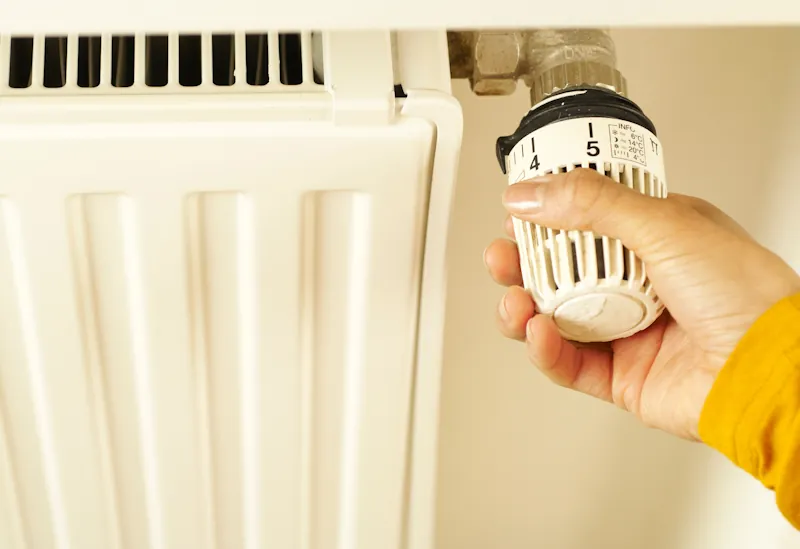
The Home Heating Cost Calculator works out exactly what your heating costs per hour, day, month and year, based on your own system rather than a generic estimate. It covers gas, electric, heat pump and oil systems, and accounts for your energy rate, your boiler’s age, and how well insulated your home actually is. For UK households, heating is usually the single largest bill of the year, and yet almost nobody knows the per-hour figure that would actually change how they use it.
Key Insights
- The exact cost of running your heating for one hour, based on your own system and rate
- How your daily, monthly and annual heating cost compares to a typical UK home
- Whether leaving heating on low all day or switching it on and off saves more money for your home
- What a one degree change on the thermostat actually does to your yearly bill
- Which rooms are being heated unnecessarily and what that costs across a year
Why It Helps You Save Money
Heating is one of those bills people manage by feel rather than by number, nudging the thermostat up on a cold evening without ever knowing what that nudge costs. Once you can see the real per-hour and per-degree figures for your own home, small adjustments become genuine decisions rather than guesses. Many households find that a single change, whether that is a lower baseline temperature or heating fewer rooms, saves more across a year than they expected from something that felt so minor.
If you want to see how your heating costs compare to the rest of your household bills, the other calculators in this guide are worth a look too.
UK Energy Appliance Running Cost Calculator
The UK Energy Appliance Running Cost Calculator shows the daily, weekly, monthly and annual cost of every major appliance in your home, including what devices are costing you while switched off but still plugged in. It covers everything from the fridge that runs constantly in the background to the games console left on standby, using your own unit rate rather than a national estimate.
Key Insights
- The individual running cost of each major appliance in your home across a full year
- How much standby power is costing you on devices that appear to be switched off
- Which appliances are the biggest contributors to your electricity bill
- How solar panels change your appliance running costs if you have them installed
- Where the gap sits between what you assumed an appliance cost and what it actually costs
Why It Helps You Save Money
Appliance costs are almost invisible day to day because they arrive as one combined electricity bill rather than a breakdown by device. Once you can see each appliance listed separately, including the ones quietly drawing power on standby, it becomes far easier to work out which habits are worth changing and which appliances are simply doing their job efficiently. For many households, standby power alone adds up to a genuinely useful yearly saving once it is switched off at the wall rather than left running.
Once you know what your appliances are costing, it is worth checking the other calculators in this guide to see the full picture of your household bills.
Dishwasher vs Hand Washing Calculator
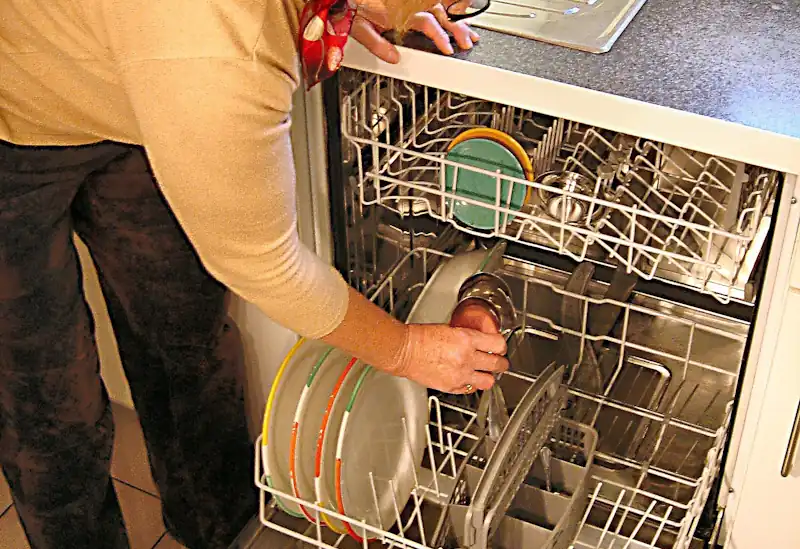
The Dishwasher vs Hand Washing Calculator settles one of the most common household debates using real numbers rather than opinion. It compares the cost, water usage and environmental impact of running a dishwasher against washing up by hand, based on your specific machine, your energy tariff and how you actually wash dishes.
Key Insights
- Whether your dishwasher or hand washing routine actually works out cheaper for your household
- How much water each method uses across a typical week
- What pre-rinsing dishes before loading the dishwasher is genuinely costing you
- How the two methods compare on CO2 output, not just cost
- The annual difference between the two approaches based on your own habits
Why It Helps You Save Money
This is a debate that plays out in kitchens across the country, usually without either side having the actual numbers to settle it. Once you can see the cost, water use and environmental impact side by side for your own household, the answer is often different from what either person assumed. Habits like pre-rinsing before loading, which feel harmless, can quietly cost a household £40 to £60 a year in wasted water and energy for no real benefit, and this calculator is one of the few places that number is ever made visible.
To see how your dishwashing routine fits alongside the rest of your household bills, the other calculators in this guide are worth exploring too.
Smart Home Savings Calculator
The Smart Home Savings Calculator moves past the usual talk of voice commands and app features and focuses purely on money. It shows what smart home devices you already own are genuinely saving you each year, and for devices you are considering buying, how long it would take for them to pay for themselves.
Key Insights
- The real annual saving from smart thermostats, TRV valves, smart plugs and bulbs
- How long a smart home device takes to pay for itself before it becomes a genuine saving
- Which smart devices tend to earn their cost back quickly and which rarely do
- How your current smart home setup compares to the devices worth adding next
- Whether an EV charger or similar larger purchase is worth it based on your own usage
Why It Helps You Save Money
Most coverage of smart home technology sells the idea of convenience rather than the number that actually matters, which is payback period. This calculator gives you that figure directly, so a purchase can be judged on whether it earns its cost back in a reasonable time rather than on how well it is marketed. For devices already installed, it also confirms whether they are pulling their weight or quietly sitting there doing very little for the bill.
Once you know what your smart home setup is saving you, it is worth comparing that against the other calculators in this topic for the fuller picture.
Water Bill Cost Calculator
The Water Bill Cost Calculator shows the true annual cost of every shower, bath, tap and appliance in your home, including the cost of heating that water, which never appears on your water statement at all. It covers both the water company charge and the gas or electricity used to heat it, putting the two figures side by side for the first time.
Key Insights
- The combined annual cost of your water usage and the energy used to heat it
- How much a typical shower or bath costs once heating is included
- What a dripping tap or unnoticed leak adds to your bill across a year
- How your household’s water use compares to a typical UK home of the same size
- Where realistic savings sit once both bills are considered together
Why It Helps You Save Money
Water and the energy used to heat it arrive on two completely separate bills, which means almost nobody ever adds them together in their head. This calculator does that addition for you, showing the real annual cost of everyday water use rather than the partial picture your water statement gives on its own. Once that full figure is visible, changes like shorter showers or fixing a slow drip stop feeling like minor habits and start looking like a genuine yearly saving.
For the complete picture of your household bills, it is worth working through the other calculators in this section as well.
Why UK Households Underestimate Their Monthly Bills
Household bills are unusual in how they are billed and how they are experienced. The direct debit is a smoothed estimate, the same figure every month regardless of how much was actually used, which means the link between behaviour and cost gets broken before it ever reaches the person paying it. Heating the house for an extra hour on a cold evening does not produce an immediate bill. It produces a slightly higher number three months later, buried inside a recalculation that never explains which habit caused it.
Appliances add to this because their running cost is invisible by design. A fridge runs constantly in the background and nobody thinks about it because it is never switched off long enough to notice the difference. A phone charger left plugged in on standby draws a small but constant trickle of power that never shows up as a separate line anywhere. These costs exist, but they are folded into one combined electricity bill, which makes them almost impossible to trace back to a specific device or habit without a tool built to do exactly that.
Water follows the same pattern in a different way. The water company bill only ever shows the cost of the water itself. The cost of heating that water for a shower or a load of washing sits inside the gas or electricity bill instead, arriving on a completely different piece of paper, on a different date, from a different provider. Almost nobody puts the two together, which means a genuinely large annual cost, heating water for daily use, is effectively invisible to most households.
Dishwashing habits and smart home purchases both suffer from the same lack of visibility, just for different reasons. Nobody tracks the actual cost of a dishwasher cycle against hand washing because it was never worth the effort to work out by hand. Smart home devices get bought based on marketing promises about savings that are rarely checked against a real payback figure once the device is actually installed. In both cases, the household is relying on an assumption rather than a number.
Convenience and routine make all of this worse. Once a habit becomes automatic, like a certain thermostat setting, a pre-rinse before loading the dishwasher, or a tumble dryer used out of habit rather than need, it stops being questioned. The habit continues not because anyone decided it was worth the cost, but because nobody ever checked what the cost actually was. Across a full year, these unchecked habits are usually where the largest and most avoidable part of a household bill is hiding.
This is why rough guesses dominate how people think about their bills. A quarterly or monthly total is easy to see. The individual habits and appliances that built that total are not, unless something is specifically designed to break the bill apart and show each piece on its own. That is the purpose behind each of the five calculators in this article.
Practical Ways to Reduce Household Bills
- Work out your real heating cost first. Use your own system and energy rate rather than a national average, since the two figures can be very different depending on your boiler, insulation and home size.
- Check standby power on your biggest devices. Games consoles, set-top boxes and chargers left plugged in all add a small constant cost. Switching them off at the wall when not in use adds up across a year.
- Settle the dishwasher question with real numbers. Compare your specific machine and habits against hand washing rather than relying on which method feels cheaper.
- Stop pre-rinsing before the dishwasher. Modern dishwashers are built to handle food residue directly, and pre-rinsing usually just adds cost without improving the wash.
- Check the payback period before buying smart home devices. A smart thermostat or plug is only a saving once it has paid for itself, so check how long that takes before assuming it is worth the cost.
- Add the true cost of heating water to your water usage. Shorter showers and fewer baths save more than most people expect once the heating cost is included alongside the water charge.
- Fix small leaks and drips promptly. A slow drip left unnoticed for months can add a genuine amount to a yearly water bill for no benefit at all.
- Use Savzz discount codes for planned purchases. Once you know which appliances or smart home devices are worth buying, checking for a working discount code before you pay reduces the upfront cost of the change you have already decided to make.
Final Thoughts
Household bills rarely get looked at as separate pieces. They arrive as one combined total for gas, electricity or water, and the individual habits and appliances that built that total stay hidden behind the number on the page. Working through all five calculators in this guide changes that, giving you a clear, specific picture of what your heating, appliances, dishwashing habits, smart home devices and water usage are each actually costing across a full year.
Small daily and weekly habits are usually where the largest part of a household bill is hiding, not the occasional big purchase that gets all the attention. A thermostat left one degree higher than needed, a dishwasher pre-rinsed out of habit, or a device left on standby all seem too minor to matter individually, yet together they often account for more of a yearly bill than people expect.
Taking a short amount of time to work through these five calculators replaces a rough guess with a real number for every major part of your home’s running costs. From there, any change you make, whether that is adjusting the heating, fixing a drip, or buying a smart home device, is based on what your home actually costs to run rather than an assumption that may not be true at all.