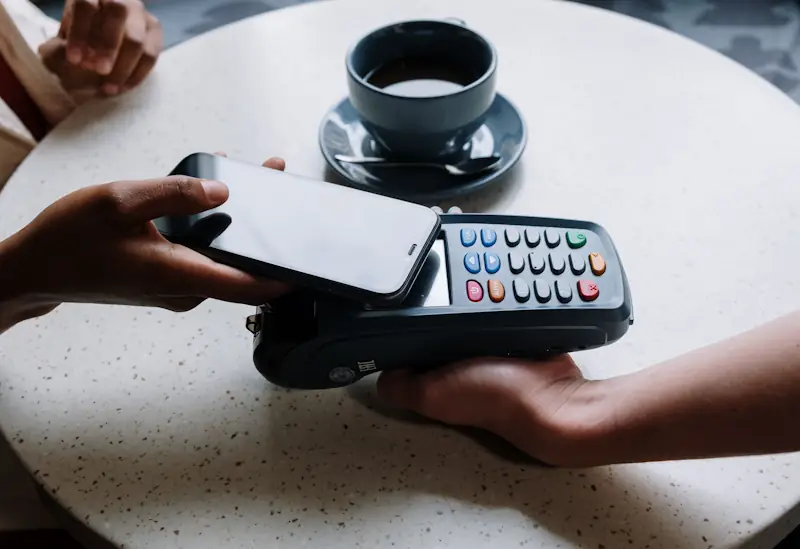
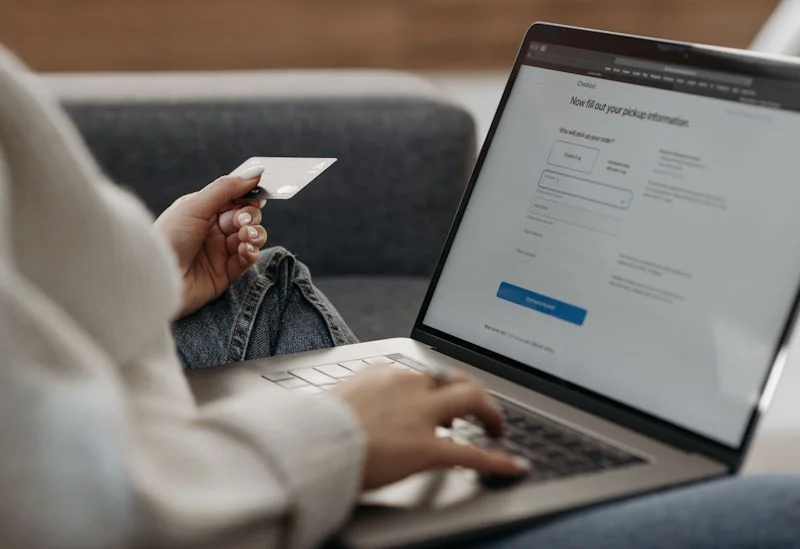
You are lying in bed scrolling before sleep, the way most nights end now, and somewhere between a video and a meme you tap something without really deciding to. A skin for a game. A subscription upgrade you meant to look at later. A one-tap purchase confirmed by a fingerprint before you have even fully registered what it was for. In the morning you would struggle to say exactly what you bought or why, only that your card was charged and you were somewhere on your phone when it happened.
This is what makes digital spending so different from the spending most people are used to watching. Handing over cash for something makes the cost real in a way that a fingerprint tap never quite manages. Subscriptions renew themselves in the background without asking again. Social media blends browsing and buying into the same seamless motion. A game you already own can quietly ask for more money through loot boxes, skins and battle passes, each purchase small enough to barely register. A phone contract signed two years ago keeps charging the same amount every month whether or not it still makes sense. None of these feel like spending decisions in the moment. They feel like a normal part of using a phone.
Added up across a full year, these small digital habits are usually far more expensive than anyone assumes, precisely because none of them were ever weighed up together. Savzz built five free calculators to close that gap, each one taking a digital habit that feels too small to think about and turning it into a real, honest annual figure based on your own usage.
Here are the five digital spending tools covered in this guide:
- Subscription Creep Calculator
- Social Media Cost Calculator
- Gaming Time Calculator
- Loot Box Spending Calculator
- SIM-Only vs Contract Calculator
Subscription Creep Calculator
The Subscription Creep Calculator adds up every recurring payment leaving your account each month, streaming services, apps, memberships, subscription boxes and anything else billed automatically. Subscriptions are built to be easy to start and easy to forget, which means most UK households are paying for at least one service they barely use, sometimes several.
Key Insights
- Your full combined monthly and annual subscription total in one place
- Which subscriptions you use regularly and which have quietly gone stale
- How much unused or rarely used subscriptions cost you across a year
- Where overlapping services are covering the same need twice
- How your subscription total compares to typical UK spending in this category
Why It Helps You Save Money
Subscriptions are one of the fastest categories to fix once you can see them listed together in one place. Most people find at least one service worth cancelling as soon as the full list is in front of them, because it is much easier to spot waste in a complete picture than in a scattered set of bank notifications spread across the month. This calculator turns that scattered picture into one clear total.
Once your subscriptions are sorted, the other calculators in this guide can help you look at the rest of your digital spending too.
Social Media Cost Calculator
The Social Media Cost Calculator looks at how much time spent scrolling actually translates into spending. This covers impulse buys prompted by adverts or influencer content, items added to a basket during a scrolling session, and the general link between screen time and shopping behaviour. Social media platforms are built to make browsing and buying feel like the same activity, and it is easy to spend more this way than you would ever plan to sit down and spend on purpose.
Key Insights
- How much of your spending starts with something seen while scrolling
- The link between your screen time and your buying patterns
- How impulse purchases made on a phone compare in cost to planned purchases
- Which platforms or types of content tend to prompt a purchase for you
- What your annual total looks like once these small impulse buys are added up
Why It Helps You Save Money
Most people do not think of scrolling as a spending activity, which is exactly why it works so well as one. This calculator connects the two directly, showing how much of your yearly spending actually starts on a screen rather than with a genuine need. Once that link is visible, it becomes much easier to add a pause before buying or simply notice the pattern the next time it happens.
To see how social media spending fits alongside your other digital habits, take a look at the other calculators in this guide.
Gaming Time Calculator
The Gaming Time Calculator works out your total gaming hours across your life, converting them into days, weeks and months, and shows your biggest gaming era along with the single game that has likely taken up more of your time than any other. It is built around genuine curiosity rather than judgement, since most people underestimate their real total until they actually run the numbers.
Key Insights
- Your total gaming hours converted into days, weeks and months
- Which period of your life was your biggest gaming era
- How much time one particular game has taken up compared to everything else
- How your total compares to genuinely fun real-world equivalents
- How your time spent connects to the spending covered by the loot box calculator
Why It Helps You Save Money
Time and money are closely linked in gaming, since more hours spent in a game usually means more exposure to in-game purchases, battle passes and seasonal content. Seeing the real hours in one honest figure makes it easier to notice whether your time in a particular game lines up with what you are also spending on it, which is a useful starting point before checking the loot box total that often goes with it.
Once you know your gaming hours, the Loot Box Spending Calculator in this guide is worth checking next.
Loot Box Spending Calculator
The Loot Box Spending Calculator adds up what you have spent inside your games, loot boxes, gacha pulls, battle passes, skin bundles and in-game currency packs, across every game you play, with the option to mark child accounts separately. Most people know roughly what a game cost to buy. Very few have ever added up what they spent inside it afterwards, and that second figure is usually the bigger one.
Key Insights
- Your full annual in-game spending total across every game you play
- How loot boxes and gacha pulls compare in cost to battle passes and skin bundles
- What child accounts are spending separately from your own total
- How your in-game spending compares to the original purchase price of the game itself
- Which games are quietly costing the most once every small purchase is added together
Why It Helps You Save Money
In-game spending is designed to happen in small, easy taps that never feel like a real purchase in the moment, which is exactly why the yearly total so often comes as a surprise. This calculator adds every one of those small taps together into one honest figure, making it far easier to set a genuine limit or notice when a game that seemed free to play has actually become one of the more expensive habits in the household.
For the fuller picture, the other calculators in this guide are worth working through too.
SIM-Only vs Contract Calculator
The SIM-Only vs Contract Calculator works out the true 24 month cost of a phone contract against buying the phone separately and going SIM-only, including the price rise that typically kicks in around month 13 and what the phone might be worth if sold after two years. Most people renew a contract because it feels like the simple option, without ever comparing it properly against the alternative.
Key Insights
- The true 24 month cost of your current or proposed phone contract
- How that compares to buying the phone outright and choosing a SIM-only plan
- What the mid-contract price rise actually adds to the total over two years
- What resale value could offset if you bought the phone separately
- The monthly premium you are paying purely for the convenience of a contract
Why It Helps You Save Money
A phone contract renewal is one of the easiest financial decisions to make on autopilot, since the alternative usually feels more complicated to work out. This calculator does that comparison for you, converting two very different routes into one clear 24 month figure, so switching to SIM-only becomes a straightforward decision based on real numbers rather than the simple option chosen out of habit.
To see how your phone plan fits alongside the rest of your digital spending, the other calculators in this guide are worth a look too.
The Psychology Behind Digital Spending
Digital purchases feel smaller than physical ones because so much of what usually signals a spending decision has been removed from the process. Handing over cash involves a small, felt loss the moment the money changes hands. A tap confirmed by a fingerprint or a saved card removes that entirely, so the purchase registers as an action rather than as spending, even though the money leaves your account exactly the same way it always did.
Convenience and instant access make this stronger still. A subscription upgrade, an in-game purchase or a phone upgrade can all be completed in seconds, with no queue, no conversation, and no pause between wanting something and having it. That speed is part of the appeal, but it also removes the natural gap that used to exist between a want and a purchase, the gap where most people would have had time to reconsider.
Subscriptions add a particular kind of cost because they are passive by design. A subscription is decided once and then charged every month afterwards without requiring a fresh decision each time. This is efficient for the company providing the service and easy to forget about for the person paying it, which is exactly why unused subscriptions are one of the most common sources of waste in a household budget.
Gaming habits and microtransactions work through a slightly different mechanism, built around small, frequent purchases rather than one larger decision. A loot box or a skin bundle is priced low enough to feel harmless individually, and the purchase is often tied to a moment of excitement or frustration inside the game itself, which makes it feel more like part of the experience than a financial choice.
All of this explains why digital spending across a full year is so often underestimated. Every individual purchase, a subscription renewal, a scroll-triggered basket add, an in-game pack, a phone upgrade, is small enough on its own to avoid real scrutiny. It is only once every one of these purchases is added together across twelve months that the true scale becomes clear, and by then the total is usually higher than anyone would have guessed while it was still happening one small tap at a time.
How Digital Costs Add Up Over Time
Digital habits rarely stay the same from month to month, which is part of why they are so hard to track using memory alone. A subscription added during a free trial one month might still be there a year later, forgotten but still charging. A period of heavier social media use during a stressful few weeks can bring a cluster of impulse purchases that never happen again once life settles down. Gaming intensity shifts with new releases, free time and whichever game currently has your attention, which means spending inside games rarely follows a steady, predictable pattern either.
Social media use influences purchases in a way that compounds over time rather than appearing as a single moment. Each scroll that ends in a purchase reinforces the pattern slightly, making the next one a little more likely, which is part of why platforms are built the way they are. A single impulse buy is not a problem on its own. A habit of several a month, repeated across a year, becomes a genuinely large total almost nobody sees coming.
Gaming time affects spending in a similar compounding way. More hours in a particular game usually means more exposure to seasonal content, battle passes and limited time offers, all of which are designed to appear at the exact moments a player is most engaged. A game that felt free to play at the start can become one of the more expensive habits in a household once loot boxes and bundles are added up across the months spent inside it.
Phone contracts and upgrades create a different, longer shaped cost. A two year contract is a decision made once that then repeats every month for the full term, often including a price rise partway through that goes unnoticed because it is buried inside a bill that already looks familiar. Upgrading again at the end of the contract without comparing alternatives simply repeats the same pattern, which means a household can spend years paying a premium for a habit of renewing without checking.
None of these individual digital behaviours look large in isolation. It is only once a full year is considered, every subscription, every scroll-triggered purchase, every hour spent gaming, every month of a phone contract, that the total becomes genuinely large, and that total is exactly what these five calculators are built to reveal.
Practical Ways to Reduce Digital Spending
- Review your subscriptions on a set date every month. A short, regular check makes it far easier to catch a service you no longer use before it renews again.
- Add friction to digital purchases. Remove saved card details from apps you browse casually, so a purchase requires a proper decision rather than a single tap.
- Track your gaming time for a month. Simply noticing how many hours you are spending in a particular game is often enough to explain a spending pattern you had not connected to it before.
- Set a limit for loot box and in-game spending. Decide on a rough monthly figure in advance, rather than letting each small purchase happen without any sense of the running total.
- Compare your mobile phone plan before renewing. Work out the true cost of your contract against a SIM-only alternative before accepting an upgrade offer out of habit.
- Turn off one-tap purchasing where you can. Requiring a password or a second step before a payment completes gives you a moment to reconsider an impulse buy.
- Set a screen time check before checkout. If a purchase started during a scrolling session, give it a day before completing it. Most impulse buys lose their pull once the scrolling stops.
- Use Savzz discount codes for anything you decide to keep. Once you know which subscriptions, devices or services are worth paying for, checking for a working discount code before you pay reduces the cost of the spending you have chosen to keep.
Final Thoughts
Digital habits rarely feel like a spending category, which is exactly what makes them worth a proper look. Subscriptions, social media, gaming, loot boxes and phone contracts all work the same way. Each individual purchase or renewal is too small, too fast or too easy to think twice about, and the real cost only becomes clear once a full year of the same behaviour is added together.
Working through all five calculators gives you the fullest possible picture of where your digital money goes. Some habits will turn out to be exactly as cheap as you assumed. Others will be higher than expected, and that is genuinely useful to know, not as a reason to feel bad about how you spend, but as the starting point for deciding whether your current habits actually match what you want your money to be doing.
Small daily and weekly digital costs rarely feel important in the moment. Across a full year, they are often the single biggest factor in a household’s discretionary spending, bigger than the occasional larger purchase that gets all the attention and second-guessing. Taking twenty minutes to work through these five calculators is a straightforward way to see your own digital habits clearly, and to make any changes based on real numbers rather than a guess.